Location & Geography
The region surrounds Volcán Barú, Panama’s highest peak at 3,475 meters.
It lies in the Chiriquí Province, near the border with Costa Rica.
From the summit, it’s one of the few places on Earth where you can see both the Pacific and Atlantic Oceans at once.
Why It’s Perfect for Coffee
Volcanic Soil: Nutrient-rich and naturally well-drained, ideal for coffee trees.
Altitude: Farms are typically between 1,200–1,800 meters, slowing bean maturation and enhancing flavor.
Climate: Regular rainfall, mist, and cool temperatures create unique microclimates that boost complexity in the cup.
Coffee Varieties Grown
Geisha: The most famous, with floral, tea-like notes and record-breaking auction prices.
Caturra & Catuai: Reliable, high-yield varieties producing balanced, citrusy or chocolatey cups.
Typica & Bourbon: Traditional Arabicas offering smooth, sweet flavors.
Experimental Micro-lots: Farmers often test honey, natural, and anaerobic processes to create unique flavor profiles.
Coffee Culture & Tourism
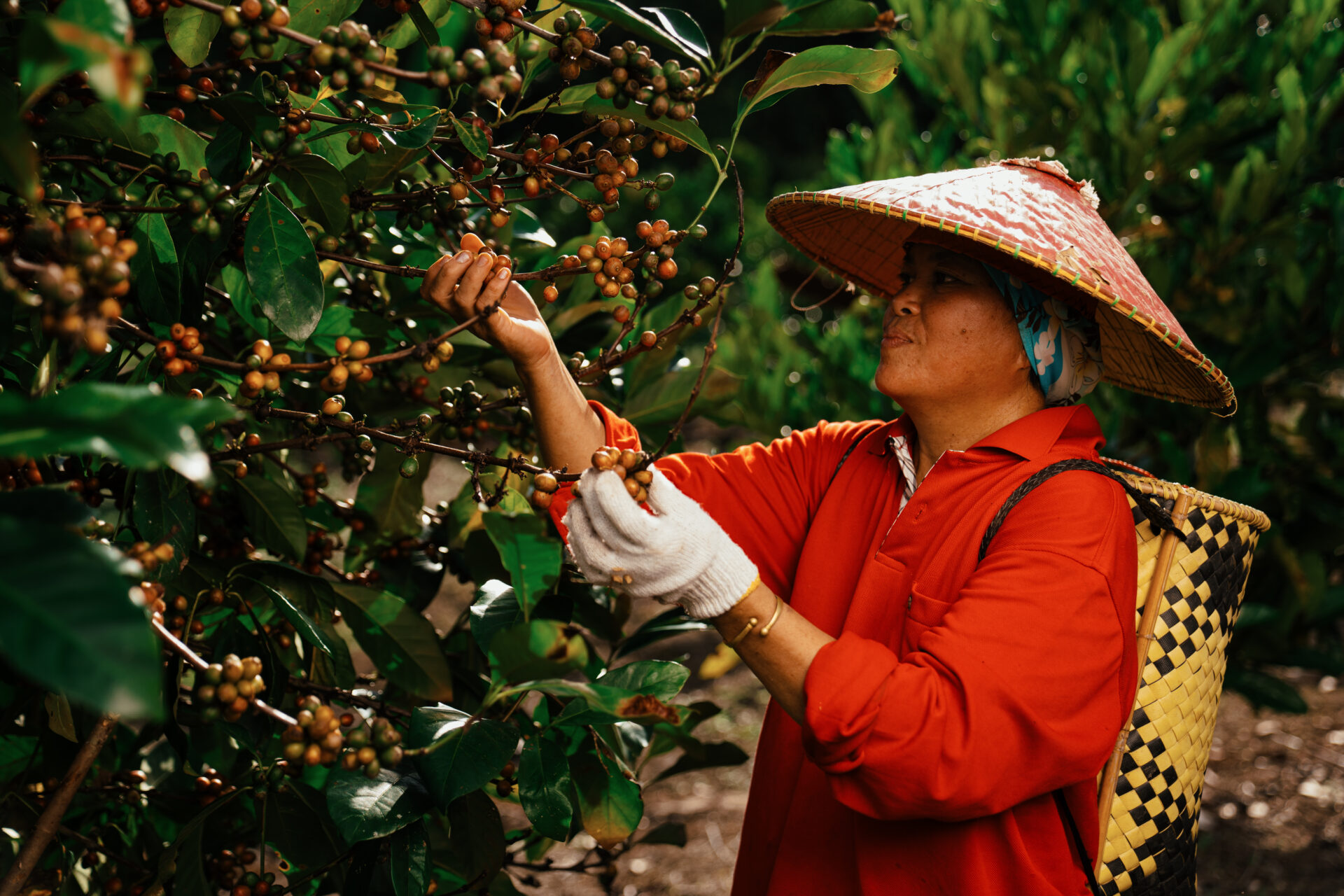
The Volcán Barú Highlands are part of Panama’s “Napa Valley of Coffee”, with circuits connecting more than 15 farms offering tours and tastings.
Estates like Carmen Estate and Lamastus Family Estates are internationally recognized for award-winning beans.
Visitors can hike the volcano, tour family-owned farms, and experience cupping sessions that highlight the terroir’s diversity.
Flavor Highlights
Bright Acidity: Often citrus or tropical fruit.
Sweetness: Chocolate, caramel, and nutty undertones.
Complex Aromas: Jasmine, bergamot, and floral notes in Geisha lots.
Balance: Smooth body with layered flavors, depending on altitude and processing.
Summary
The Volcán Barú Highlands are the beating heart of Panama’s coffee industry. With their volcanic soil, high altitudes, and innovative farmers, they produce beans that consistently rank among the best in the world. Whether it’s the legendary Geisha or the dependable Caturra, coffee from this region reflects both nature’s gift and human craftsmanship.