Loading

All sector
Buyer
Supplier
Sheka Forest

All Categories
-
Coffee Farming & Origins
- Africa
- Asia
- Oceania
- America
- Coffee Brands & Products
- Machinery & Equipment
- Accessories & Supplies
Sheka Forest
The Sheka Forest, located in Ethiopia’s Southwest region, is one of the country’s most important and best-preserved natural forest ecosystems.
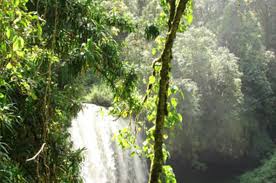
Sheka Forest
The Sheka Forest, located in Ethiopia’s Southwest region, is one of the country’s most important and best-preserved natural forest ecosystems. Designated as a UNESCO Biosphere Reserve, it spans parts of the Sheka Zone—including Masha, Andracha, and Yeki districts—and forms a critical section of the wider Kaffa–Sheka–Bench Maji forest belt, where wild Arabica coffee grows naturally. The forest is characterized by dense evergreen canopies, misty highlands, and an extraordinary range of biodiversity. Elevations typically range from 1,300 to over 2,600 meters, creating a cool, humid environment with abundant rainfall often exceeding 1,800–2,500 mm annually. This combination of climate and altitude supports extraordinary ecological richness, including endemic mammals, birds, medicinal plants, spices, and some of the world’s last remaining stands of wild coffee.
Coffee in Sheka Forest is deeply interwoven with the landscape and the culture. Much of the coffee is wild or semi-wild, growing under the natural shade of towering indigenous trees such as Podocarpus, Albizia, and Cordia species. Farmers in the region do not plant coffee on cleared land in the conventional sense; instead, they practice traditional forest coffee management, selectively pruning wild coffee trees, clearing underbrush, and harvesting ripe cherries while leaving the forest structure intact. This system sustains biodiversity while providing livelihoods for thousands of smallholder households who rely on forest coffee, honey production, spices, and wild-harvested forest products.
The natural forest conditions give Sheka coffees a distinctive cup character. The combination of rich volcanic soils, persistent shade, and slow ripening produces cherries with dense seeds and layered flavours. Coffees from Sheka are known for their floral aromatics, sweet herbal notes, and fruit-toned complexity, often showing hints of forest berries, cane sugar, dried fruit, and spice. The acidity tends to be soft and rounded rather than sharp, and the body is typically smooth and balanced. When processed as naturals—common in remote areas—the coffees often exhibit deep sweetness and earthy fruit complexity. Washed coffees, increasingly produced around towns such as Masha, highlight clarity, gentle floridity, and subtle citrus or stone-fruit brightness.
Beyond coffee, the Sheka Forest plays a crucial role in environmental stability. It is a major watershed for southwest Ethiopia, feeding rivers that support both agriculture and downstream ecosystems all the way to the Baro and Akobo river systems. The forest acts as a buffer against soil erosion, supports pollinators, and serves as a carbon sink. Its rich biodiversity also includes plants used in traditional medicine, wild spices such as korarima (Ethiopian cardamom), and some of the highest-quality wild honey in the country.
Culturally, the forest has long been protected by local communities who maintain customary forest stewardship practices, emphasizing sustainable use rather than extraction. Ritual sites and sacred groves reinforce the cultural value placed on preserving nature. In recent years, the recognition of Sheka as a UNESCO Biosphere Reserve has strengthened conservation efforts, supporting ecotourism, sustainable forest enterprises, and specialty coffee initiatives that aim to reward forest-friendly livelihoods.
Overall, Sheka Forest stands as a rare landscape where ecological integrity, cultural heritage, and specialty coffee production coexist. It remains one of Ethiopia’s most vital natural treasures and an increasingly important source of unique, forest-grown coffees that express the complexity of their ancient, protected environment.
0 Products found
Loading
You have 4 new notification
Category
-
Coffee Farming & Origins
- Africa
- Asia
- Oceania
- America
- Coffee Brands & Products
- Machinery & Equipment
- Accessories & Supplies
Notification