COPPERBELT PLATEAU (NDOLA, KITWE, LUANSHYA)
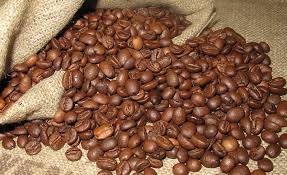
The Copperbelt region, including Ndola, Kitwe, and Luanshya, has the potential for coffee production due to its high elevation, suitable soil, and stable climate. While the Copperbelt is not the primary coffee-growing region in Zambia, it is considered a potential area alongside the Northern, Luapula, and North-Western provinces, which have historically been more significant for commercial cultivation. Coffee production in this region relies on factors like sufficient rainfall or irrigation, appropriate soil types (sandy-loam-clay), and temperatures between 13−29c.
The plateau elevation is within the optimal range for growing high-quality Arabica coffee. Stable temperatures and high rainfall are key advantages for coffee cultivation. The region's sandy-loam-clay soil is suitable for coffee plants, which require a pH between 5 and 6.0. Areas with insufficient rainfall can be supplemented with irrigation systems to control the growing process. The region's economy is heavily reliant on mining, which can affect the focus on agriculture. Limited access to infrastructure and financing can hinder the growth of the coffee sector. A lack of research and support programs can affect coffee yields and quality. Copperbelt production is likely to be smaller scale compared to primary coffee regions, which may struggle to compete globally in terms of volume.
While the Copperbelt has the natural resources and infrastructure to support coffee production, the region's potential is currently not being fully realized due to economic and infrastructural challenges. The Zambian government is working with private sector partners to improve infrastructure, promote coffee production, and develop new research programs to help overcome these challenges and increase coffee cultivation across the country.