The Americas are among the world’s leading coffee-producing regions, accounting for a substantial portion of global supply. The continent is predominantly known for Arabica coffee (Coffea arabica), prized for its nuanced flavors, though Robusta (Coffea canephora) is also cultivated in select areas. Coffee production is deeply tied to geography, climate, and local farming traditions, with distinct characteristics across regions.
North America
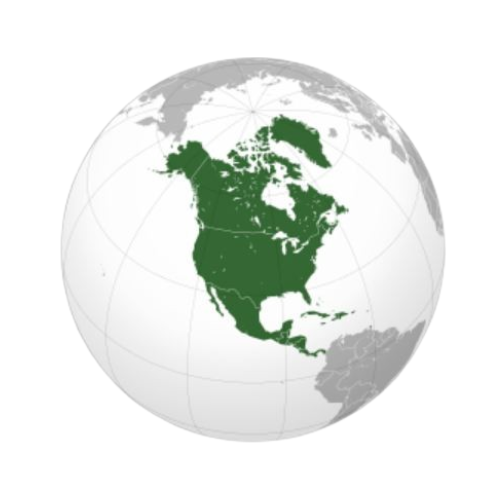
Mexico – Produces mainly Arabica in the highlands of Chiapas, Veracruz, and Oaxaca. Mexican coffee is often shade-grown on small family farms, offering mild acidity, nutty and chocolate flavors, and light to medium body. Organic and fair-trade certifications are common.
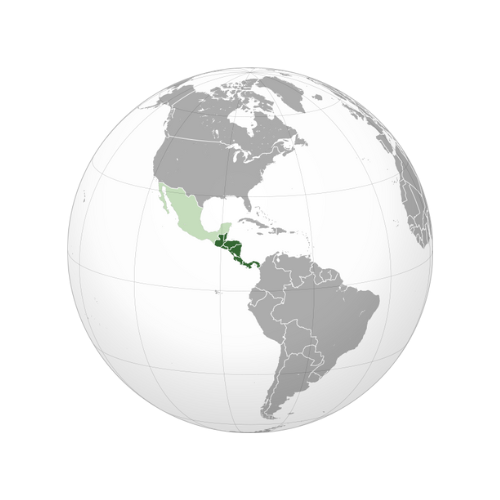
Central American countries (Guatemala, Honduras, El Salvador, Costa Rica, Nicaragua, Belize) – These countries are high-altitude Arabica strongholds.
Coffee is grown in volcanic soils, often 1,000–2,000 meters above sea level, providing bright acidity, complex floral and fruity notes, and balanced body.
Smallholder farms dominate, often using shade-grown, hand-picked, and washed processing methods.
Central America & Caribbean
Panama – Famous for Geisha Arabica, cultivated in Boquete and Volcán regions at high elevations. Known for floral aromatics, tea-like body, and bright acidity, Panama has become a specialty coffee hub.
Honduras and Nicaragua – Produce high-quality Arabica in mountainous regions with sweet, balanced cups and a growing specialty sector.
Caribbean islands (Jamaica, Dominican Republic, Puerto Rico, Haiti) – Arabica coffee is cultivated at high altitudes with rich volcanic soils. Jamaica’s Blue Mountain coffee is renowned worldwide for mild flavor, silky body, and low bitterness.
South America
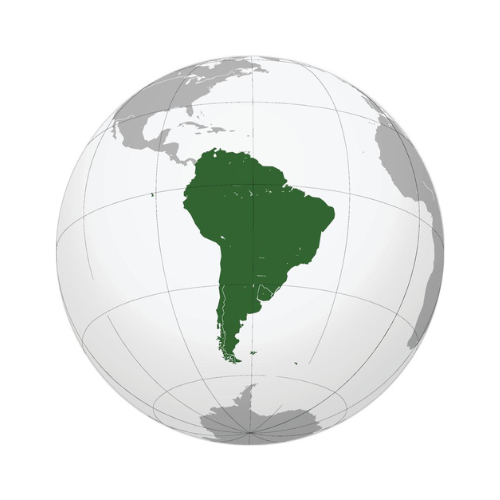
Brazil – The world’s largest coffee producer, growing both Arabica and Robusta across regions such as Minas Gerais, São Paulo, Bahia, and Espírito Santo.
Brazilian coffee is versatile: low-acid, nutty, chocolatey flavors for Arabica; strong-bodied Robusta for instant coffee and espresso blends.
Colombia – High-altitude Arabica dominates in the Coffee Triangle and other regions, producing bright, floral, and fruity cups. Coffee is hand-picked and mostly washed-processed.
Peru, Ecuador, Bolivia – Arabica coffee is grown in Andean highlands and Amazonian foothills. Often shade-grown, organic, and fair-trade, these coffees are known for sweet, floral, and mild acidity profiles.
Venezuela and Guyana – Smaller producers of Arabica, grown in highland microclimates with rich volcanic soils.
Cultivation Practices
Altitude and Climate: Arabica thrives at 800–2,200 meters with moderate temperatures and rainfall, while Robusta prefers lower altitudes with warmer, more humid conditions.
Farming Systems: Smallholder farms dominate, often using shade-grown, intercropped systems, preserving biodiversity and improving bean quality. Large commercial estates are common in Brazil.
Harvesting: Arabica is primarily hand-picked for selective cherry harvest; Robusta may be mechanically harvested.
Processing Methods: Both washed (wet) and natural (dry) methods are used. Washed processing is preferred for specialty Arabica to highlight clarity and acidity; dry processing is more common for Robusta, producing fuller-bodied, earthy beans.
Flavor Profiles
Brazil: Nutty, chocolatey, low acidity, smooth body
Colombia: Bright, floral, balanced acidity, medium body
Central America: Sweet, citrusy, floral, medium body
Peru & Ecuador: Mild, aromatic, fruit and floral notes, light to medium body
Caribbean: Silky, low bitterness, mild acidity (e.g., Jamaica Blue Mountain)
Economic Importance
Coffee is a critical economic crop across the Americas, supporting millions of smallholder farmers, rural communities, and national economies. Brazil and Colombia dominate global exports, while Central American and Caribbean countries often focus on high-quality, specialty, and certified coffees for niche markets. Coffee cultivation also underpins cultural traditions and local identities, particularly in regions like Colombia, Costa Rica, and Jamaica.