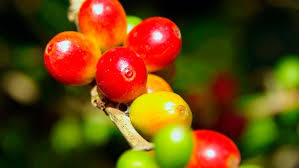
Guadalcanal, home to the capital Honiara, is one of the Solomon Islands’ most important areas for Arabica coffee cultivation, though production remains small in scale and largely driven by village-based farming systems. Coffee is grown mainly in the island’s interior highlands, where elevations rise from 600 to more than 1,200 meters. These upland zones offer cooler temperatures, cloud forest conditions, and fertile volcanic soils that support the growth of Arabica varieties, including Typica and Bourbon-related lines introduced during colonial agricultural programs.
Coffee farming on Guadalcanal is almost entirely smallholder-based. Families maintain small plots intercropped with food crops such as taro, banana, cassava, and betel nut. Shade trees—both native and planted—help protect coffee plants from excessive heat and rainfall. Inputs are minimal, and management relies on manual labor for pruning, weeding, harvesting, and small-scale processing. Due to limited access to centralized processing facilities, most farmers use simple fully washed or semi-washed methods: cherries are hand-picked, depulped with small mechanical or hand-operated pulpers, fermented in buckets or small tanks, and dried on wooden platforms or tarpaulins.
Coffee harvested from Guadalcanal’s highlands tends to display mild acidity, light-to-medium body, and gentle flavor notes, often including soft citrus, floral hints, and nutty or cocoa undertones. While the island’s output is far smaller than major Melanesian producers like Papua New Guinea or Vanuatu, highland communities have shown growing interest in revitalizing the crop, supported by NGOs, church groups, and rural development programs aimed at improving quality, expanding processing capacity, and strengthening market linkages.
Nevertheless, coffee cultivation in Guadalcanal faces persistent challenges. Rugged terrain and limited road networks make transport from mountainous gardens to Honiara slow and costly. Climate variability, plant disease pressure, and competition from more profitable crops—such as cocoa, kava, and root crops—reduce farmers’ incentives to invest heavily in coffee. Despite these constraints, the province’s fertile volcanic soils, highland microclimates, and increasing support for rural livelihoods give coffee cultivation on Guadalcanal quiet but promising potential.