Papua New Guinea is the largest coffee producer in Oceania and one of the most recognized sources of high-quality Arabica coffee in the world. Coffee cultivation occurs primarily in the highland regions, including the Eastern Highlands, Western Highlands, Simbu, Goroka, and Western Province, where fertile volcanic soils, cooler temperatures, and well-distributed rainfall create ideal growing conditions. The majority of these areas lie between 1,200 and 2,000 meters above sea level, providing a slow maturation period for coffee cherries, which enhances bean density, complexity, and flavor development.
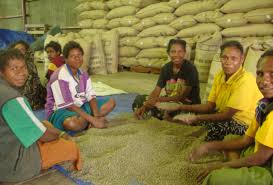
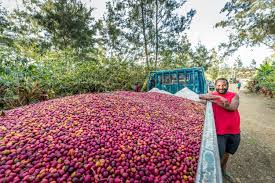
The coffee sector in PNG is overwhelmingly smallholder-driven, with families cultivating coffee on steep, terraced slopes, often alongside other crops such as vegetables or root crops. These small-scale farms typically range from 0.5 to 5 hectares, and the coffee is frequently grown under shade trees, which help regulate temperature, maintain soil fertility, and support local biodiversity. Cooperatives play a crucial role in these communities by providing technical training, access to quality processing facilities, and connections to both domestic and international markets, ensuring that smallholder farmers can achieve consistent quality and sustainable income.
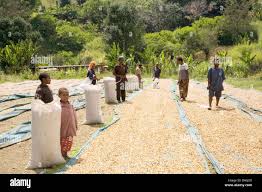
PNG primarily produces Arabica coffee, with key varieties including Typica, Bourbon, and Blue Mountain hybrids. Beans are processed using washed and semi-washed methods, a choice that highlights the coffee’s clarity, brightness, and vibrant acidity. The wet processing involves careful fermentation, washing, and sun-drying, often on raised beds to ensure uniform drying and prevent defects. Some high-altitude micro-lots are meticulously hand-picked and sorted to meet specialty coffee standards.
The flavor profile of PNG coffee is renowned for its clean, bright, and complex cup characteristics. Coffees typically exhibit medium body, pronounced but balanced acidity, and intricate fruit-forward flavors, including notes of berries, citrus, and stone fruits. Floral aromas often complement these fruit notes, while subtle chocolate, nutty, or spice undertones add depth and roundness to the cup. The diversity of flavor is influenced by microclimates, altitude, and soil composition, making PNG coffees highly sought after in specialty markets worldwide.
PNG coffee is exported predominantly through cooperative networks and private exporters, with Australia, Japan, Europe, and North America among the largest markets. The combination of traceability, small-lot production, and distinctive flavor profiles has positioned PNG as a leading origin in the global specialty coffee sector. Despite challenges such as remote farm locations, steep terrain, and vulnerability to climate events, ongoing investment in training, postharvest infrastructure, and cooperative support has helped maintain and enhance quality standards.
In summary, Papua New Guinea coffee stands out for its unique highland terroir, smallholder-driven cultivation, meticulous processing, and complex, vibrant cup profiles. Its coffees represent a harmonious balance of tradition, community-based farming, and specialty market excellence, securing PNG’s position as Oceania’s most prominent and internationally recognized coffee origin.