Coffee production in Oceania is relatively limited compared to major coffee-growing regions in Africa, Asia, and Latin America, but the region produces high-quality Arabica and Robusta coffees that are recognized in specialty and niche markets. The primary coffee-producing areas in Oceania include Papua New Guinea, Australia, and the Solomon Islands, each offering distinctive terroirs and growing conditions that contribute to diverse flavor profiles.
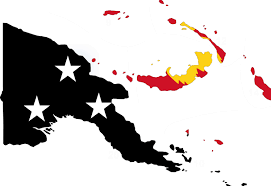
Papua New Guinea (PNG) is the most prominent coffee-producing country in Oceania. Coffee cultivation occurs mainly in the highland regions at elevations of 1,200–2,000 meters, including the Eastern Highlands, Western Highlands, Simbu, and Goroka. The fertile volcanic soils, combined with cooler highland climates and abundant rainfall, create ideal conditions for Arabica coffee, which accounts for the majority of production. PNG coffees are often washed or semi-washed, producing a clean cup with bright acidity, medium body, and complex fruit and floral notes, sometimes complemented by chocolate or nutty undertones. Smallholder farmers dominate production, typically cultivating coffee on steep slopes using traditional methods, while cooperatives and processors provide access to quality control, postharvest infrastructure, and export markets. PNG coffee is highly prized in specialty markets for its distinctive, terroir-driven flavor and consistency.
Australia is a newer and smaller coffee origin, with cultivation concentrated in the subtropical regions of Queensland and Northern New South Wales. Coffee farming is mainly limited to boutique estates producing Arabica coffee at lower elevations of 400–1,200 meters, often in well-managed, shade-grown systems. Australian coffees are known for their clean, mild, and bright profiles, with subtle fruit and nutty notes, reflecting careful processing and innovative cultivation techniques. Production volumes are modest, with most coffee consumed domestically or sold to high-end specialty markets.
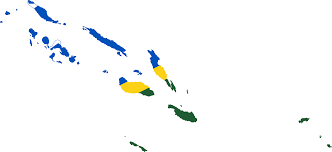
The Solomon Islands and other smaller Pacific islands also produce coffee, primarily Arabica, on volcanic soils at elevations ranging from 500–1,200 meters. Coffee cultivation on these islands is often smallholder-based, with traditional farming methods passed down through generations. Coffees from the Solomon Islands are known for medium body, gentle acidity, and mild fruit and cocoa flavors, though volumes are limited and mostly intended for export to niche markets.
Coffee production in Oceania faces unique challenges, including remote locations, limited infrastructure, and vulnerability to climate events, which can affect both yield and quality. Despite these challenges, farmers and cooperatives are increasingly focusing on sustainable and environmentally responsible practices, such as shade-grown cultivation, organic inputs, and careful water management. These efforts support both the quality of the coffee and the resilience of local communities.
Oceania’s coffees are highly valued in specialty and niche markets, offering distinctive, high-quality beans with clean, vibrant profiles that reflect their unique growing environments. While overall production is small compared to other regions, the combination of careful farming, diverse terroirs, and meticulous processing has positioned Oceania as a source of boutique, premium coffees sought after by roasters and consumers who appreciate rarity, quality, and provenance.