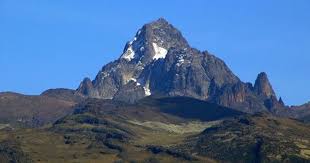
Kirinyaga County, located on the slopes of Mount Kenya in central Kenya, is one of the country’s most important coffee-producing regions. Nestled at elevations ranging from 1,400 to 2,000 meters above sea level, Kirinyaga benefits from fertile volcanic soils, abundant rainfall, and cool highland temperatures—ideal conditions for high-quality Arabica coffee cultivation. The county’s climate allows coffee cherries to mature slowly, developing the bright acidity, sweetness, and complex flavors that have made Kirinyaga coffees highly sought after in specialty markets worldwide.
Coffee in Kirinyaga is primarily grown by smallholder farmers, often managing less than one hectare per household. These farmers are typically organized into cooperative societies, which manage wet mills and oversee the meticulous washed processing for which Kenyan coffee is famous. Through these cooperatives, farmers gain access to quality control, grading, and the Nairobi Coffee Exchange (NCE) auction system, ensuring fair prices and market visibility. The cooperative model also facilitates training in agronomic practices, disease management, and post-harvest handling, which helps maintain consistent quality.
The most common coffee varieties in Kirinyaga are SL28, SL34, and Ruiru 11. SL28 and SL34 are prized for their high cup quality, offering bright, wine-like acidity, floral and berry notes, and a clean, lingering finish, while Ruiru 11 provides disease resistance without compromising flavour. These varieties thrive in Kirinyaga’s high-altitude environment, producing cherries with optimal sugar content and acidity balance. Many micro-lots and estate-specific coffees from the region display notes of blackcurrant, citrus, red berries, and subtle floral undertones, making them highly sought after by specialty roasters.
Within the county, coffee-growing areas vary slightly due to microclimates influenced by altitude, slope, and proximity to Mount Kenya’s forests. The Ndia and Mwea zones are known for consistent rainfall and fertile soils, producing well-balanced coffees with mild body and fruity aromatics. The Kianyaga and Kerugoya areas, slightly higher in elevation, generate more complex, bright, and floral coffees that often win specialty coffee awards. Some small farms in higher zones still practice traditional intercropping, growing bananas, maize, and indigenous trees alongside coffee, which enhances biodiversity and soil health.
Kirinyaga County has a long coffee history, with cultivation expanding significantly under colonial administration and continuing to grow through independent cooperatives after Kenya’s independence. Despite challenges such as aging trees, climate variability, and small farm sizes, the county remains a consistent contributor to Kenya’s global reputation for specialty coffee. Investments in rejuvenating old farms, improved processing facilities, and farmer training are helping to sustain production quality and quantity.
Today, Kirinyaga’s coffees are celebrated for their clarity, bright acidity, and expressive fruit-forward profiles. They are a benchmark for Kenyan specialty coffee, representing the high-altitude terroir of Mount Kenya’s slopes and the dedication of smallholder farmers who carefully manage every step from planting to processing. For consumers and roasters, Kirinyaga coffee is synonymous with elegance, balance, and the distinctive vibrancy that has made Kenyan Arabica famous worldwide.