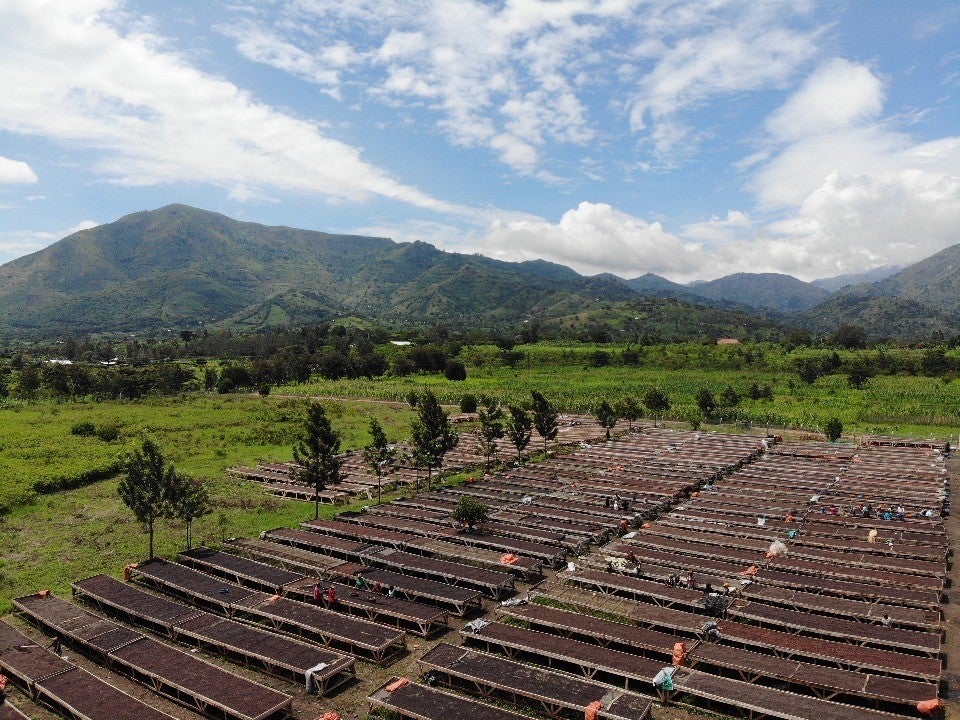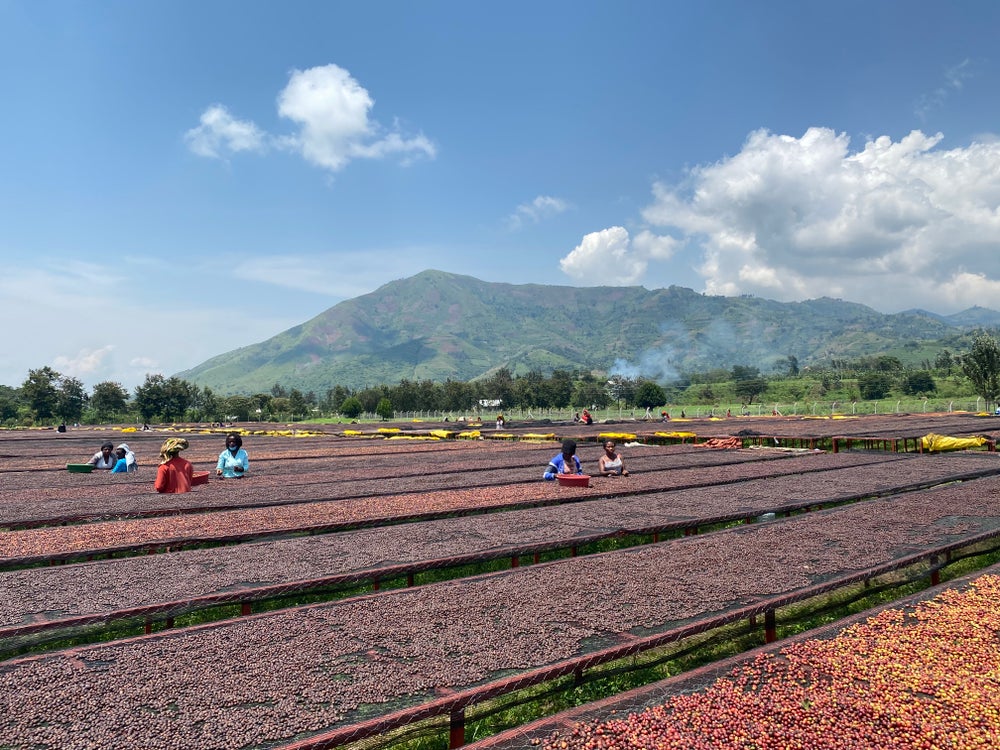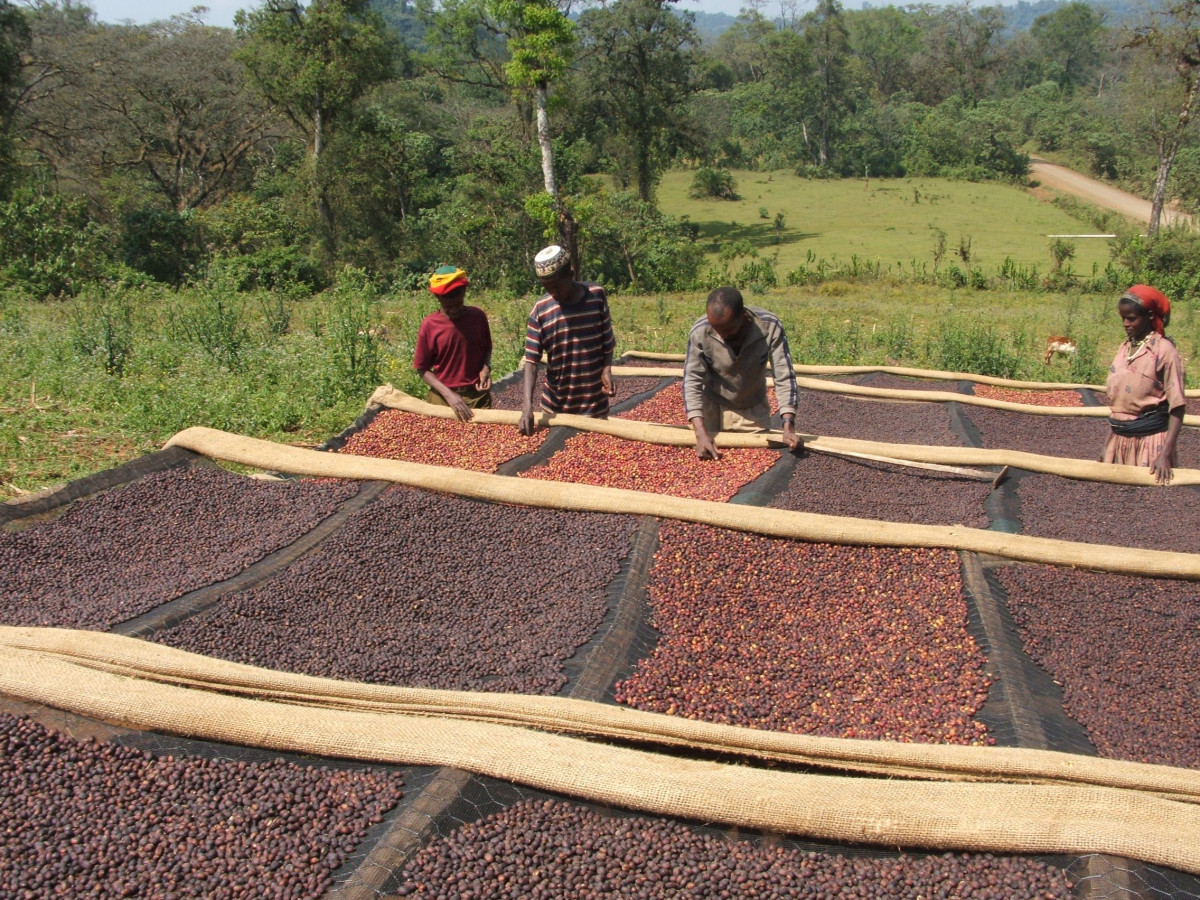
Uganda is Africa’s largest Robusta coffee producer and a major global coffee exporter, contributing 20–30% of the country’s export revenue—over USD 900 million annually. Coffee is grown mainly by millions of smallholders and forms a vital part of Uganda’s rural economy.
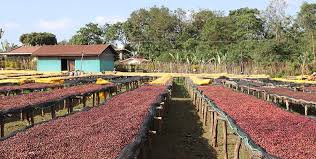
The country produces two main types of coffee:
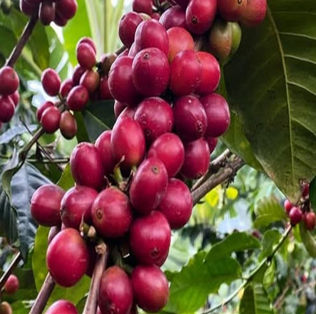
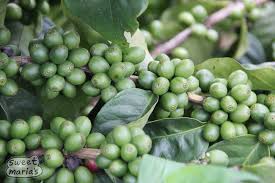
Robusta, native to Uganda, grown in lowland areas around Lake Victoria. It has a rich body, earthy aroma, and chocolate–nut Flavors and is valued for its natural disease resistance.
Arabica, grown in high-altitude regions such as Mount Elgon (Bugisu), the Rwenzori Mountains, and West Nile. Ugandan Arabica is known for bright, fruity acidity, floral notes, and clean sweetness.
Uganda has strengthened quality through improved, pest-resistant varieties and sustainable farming practices. The specialty coffee sector is growing rapidly—about 29–32% of Ugandan coffee now scores above 80, meeting international specialty standards. Beans are graded by screen size (AA, A+, PB), defect level, and cup quality, with washed Bugisu often achieving premium grades.
Overall, Uganda’s diverse landscapes, native Robusta heritage, and rising specialty profiles make it one of Africa’s most important and dynamic coffee origins.