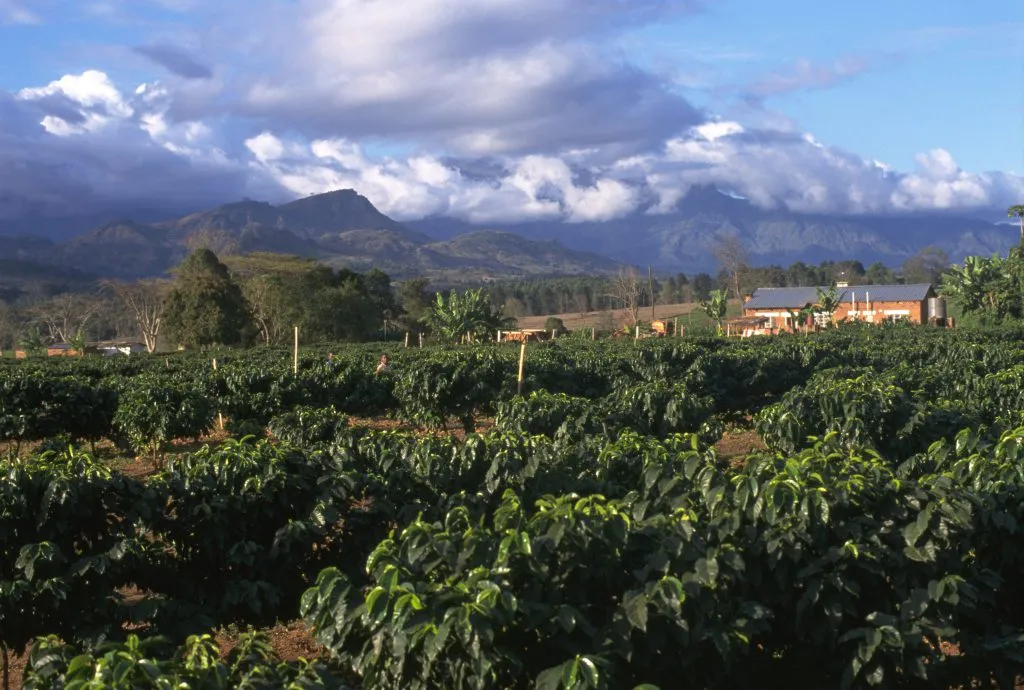
Malawi, a small landlocked country in southeastern Africa, produces high-quality Arabica coffee in its highland regions, particularly in the Mzimba, Thyolo, Mulanje, and Ntcheu districts. These areas, located at elevations between 900 and 1,800 meters above sea level, benefit from fertile volcanic soils, moderate temperatures, and reliable rainfall, creating favorable conditions for coffee cultivation.
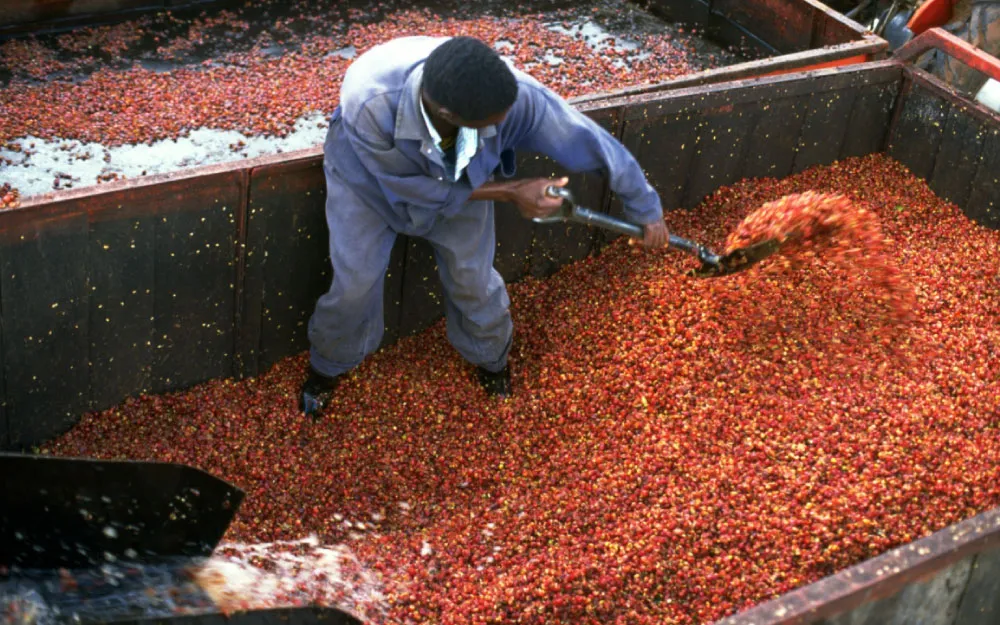
Malawi’s coffee sector is dominated by smallholder farmers, who typically grow coffee in mixed farms alongside maize, tea, and other subsistence crops. The coffee is primarily washed Arabica, which enhances clarity, bright acidity, and floral and citrus notes, while producing a clean, sweet cup. Popular varieties include Typica and Bourbon, known for their balance and mild complexity.
Coffee in Malawi is an important cash crop, supporting rural livelihoods and contributing to the country’s limited export revenues. Most of the coffee is exported as green beans to Europe and specialty markets, where Malawi coffee is appreciated for its consistent quality, delicate flavors, and approachable profile.
Challenges to Malawi’s coffee production include aging trees, low mechanization, small farm sizes, and vulnerability to climate variability, which can affect yields. However, ongoing initiatives by cooperatives, government programs, and international partners aim to improve farm management, post-harvest processing, and market access, allowing Malawi coffee to steadily gain recognition in the global specialty coffee industry.