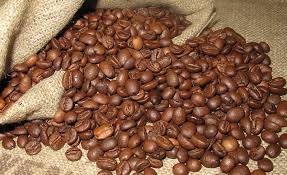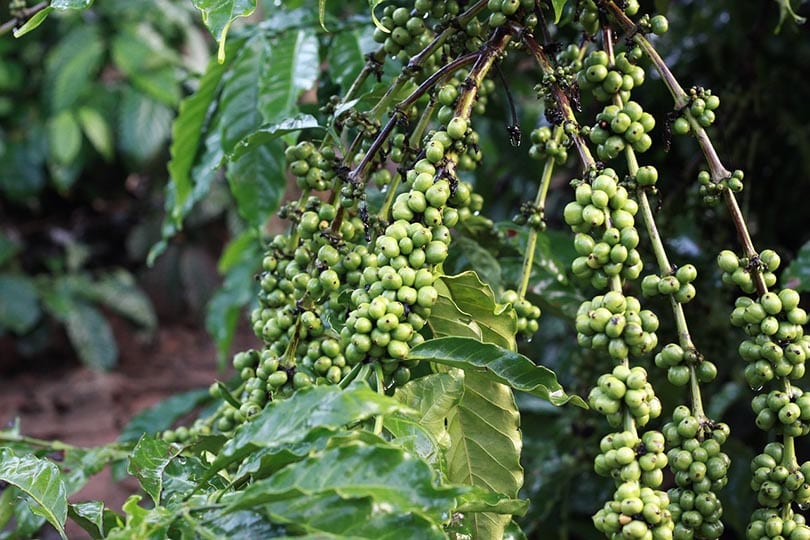
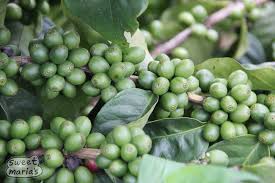
Zambia’s coffee production centers mainly on Arabica grown at higher elevations, with smallholder farms spread across the eastern and northern highlands alongside some mid-altitude estates. The crop is largely shade-grown in mountainous and forested areas, often with traditional intercropping that supports biodiversity and soil health. Much of the country’s coffee is grown for local delivery to washing stations before being sold to regional buyers and exporters, with some specialty-focused plots experimenting with improvements in processing, drying, and post-harvest handling.
Flavor profiles from Zambian coffees tend to be clean and balanced, often exhibiting bright citrus and red fruit notes, light to medium body, and gentle acidity. Processing methods vary, but many producers rely on washed or semi-washed methods to enhance acidity and clarity. Challenges include irregular rainfall, climate variability, and access to infrastructure in remote farming communities. Support for cooperative models, investment in infrastructure, and quality-focused processing are helping to lift quality and export potential, positioning Zambia’s coffees as increasingly interesting to specialty markets.