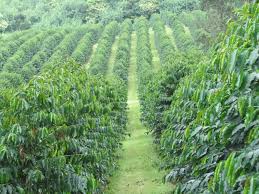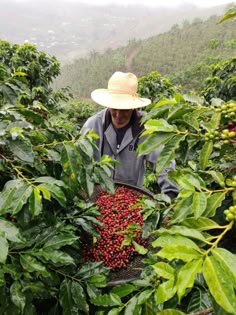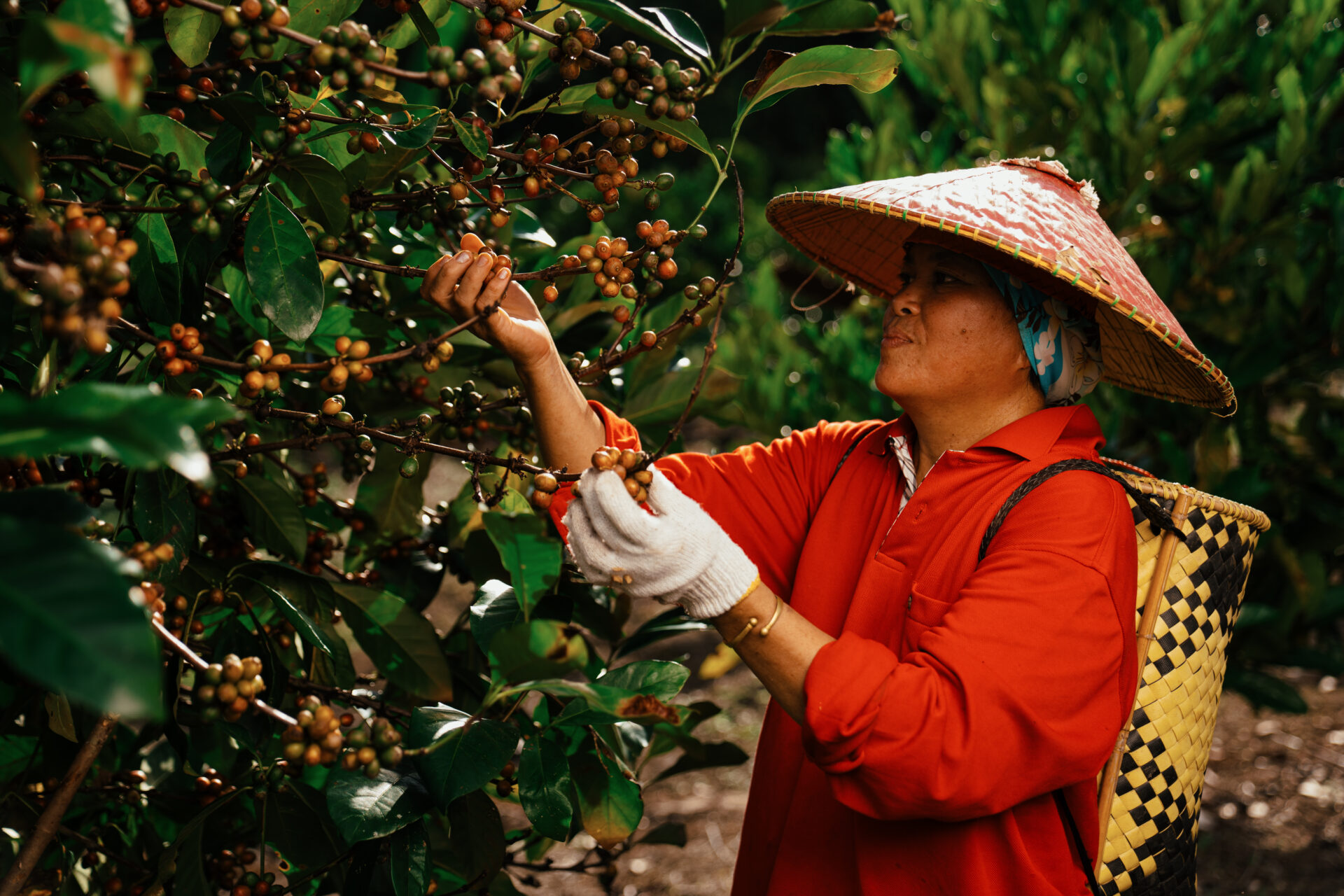
Venezuelan coffee is known for its smooth, balanced flavor with medium body, gentle acidity, and a rich aroma. Grown mainly in the Andean highlands and coastal regions, it often carries notes of chocolate and nuts. Traditionally, locals enjoy it as guayoyo, a light, filtered brew similar to an Americano. Though Venezuela was once a major coffee exporter, production declined in recent decades, but recent efforts aim to revive its global presence.
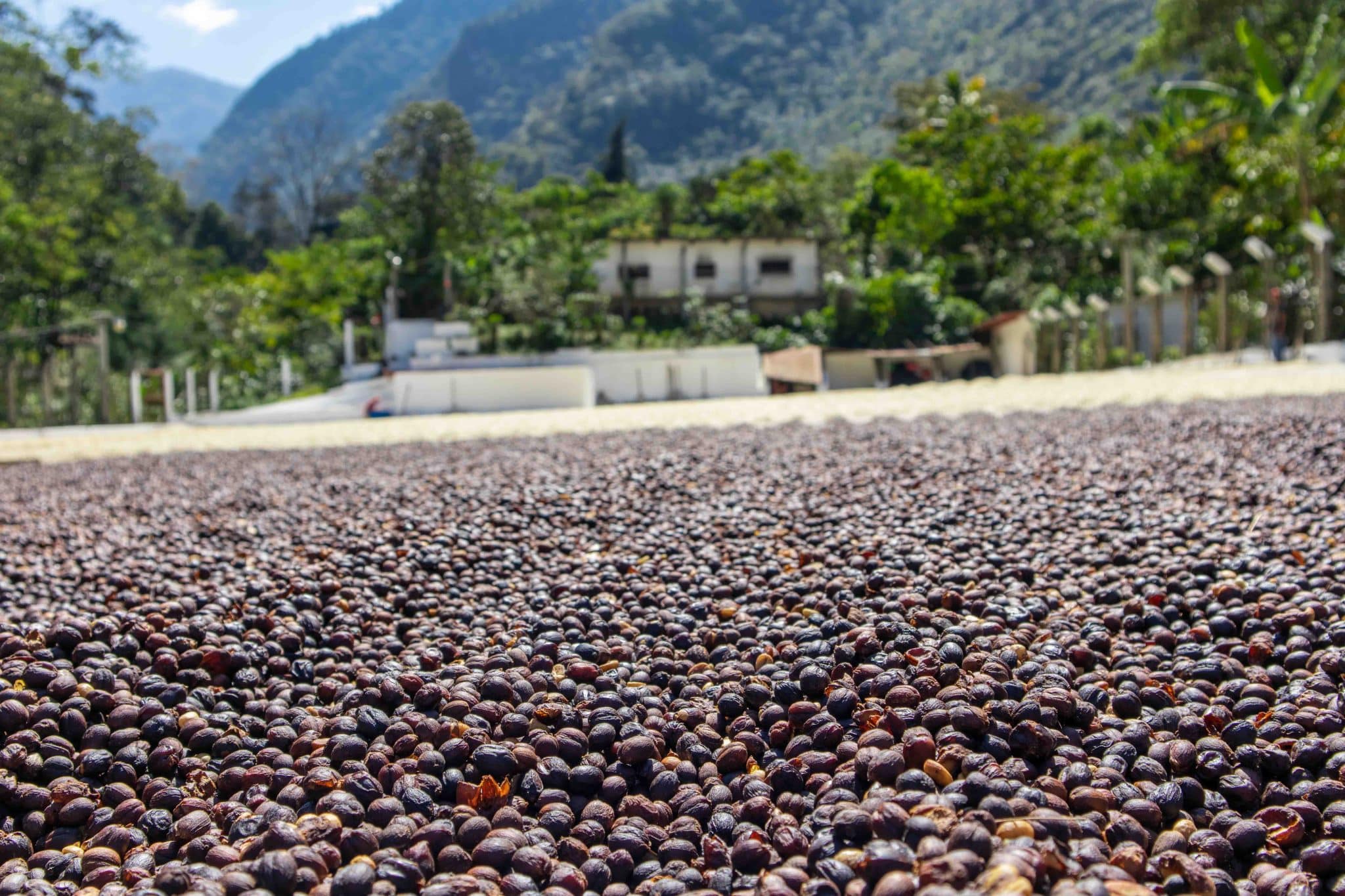
Venezuelan coffee carries a legacy of tradition, flavor, and resilience. Introduced in the 18th century, it quickly became one of the country’s most important exports, rivaling Colombia in global recognition. Though production declined in recent decades, Venezuela’s coffee culture remains deeply rooted in everyday life and is now experiencing a revival.
Coffee thrives in Venezuela’s diverse landscapes, particularly in the Andean highlands (Mérida, Táchira, Trujillo), Zulia, and coastal states like Sucre and Aragua. These regions produce beans with distinct profiles shaped by altitude, soil, and climate.
Venezuelan coffee is celebrated for its smooth balance: medium body, gentle acidity, and aromatic richness. Many varieties carry subtle notes of chocolate and nuts, making them approachable yet complex. The traditional brew, guayoyo, is a lighter, filtered style similar to an Americano, reflecting the country’s preference for a softer cup.
Recent initiatives have boosted harvests and exports, with beans reaching markets in Europe, the U.S., Russia, India, and Turkey. Plans for millions of new coffee plants and even a dedicated coffee university
0 Products found
You have 4 new notification
Category
Notification