Coffee was introduced to Guatemala in the 1700s by Jesuit missionaries, but it became a major industry only in the mid-1800s. By the late 1800s, Guatemala was exporting coffee globally, and the crop quickly became a cornerstone of the national economy, shaping trade, infrastructure, and rural livelihoods. Today, coffee remains one of Guatemala’s top exports, deeply embedded in the country’s cultural identity and supporting thousands of smallholder farmers.
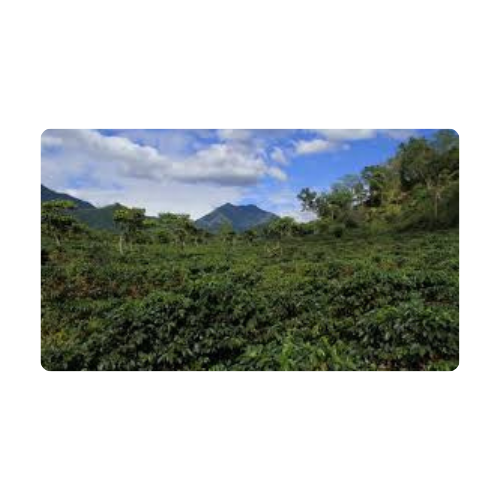
Guatemala’s coffee is primarily Arabica, grown at high altitudes ranging from 1,500 to 2,000 meters (4,600–6,500 feet) in volcanic soils rich in minerals, which provide ideal nutrients for coffee plants. The country is divided into eight distinct coffee-growing regions, each with its own microclimate and flavour profile. Antigua, located on volcanic slopes, is known for chocolatey, smoky notes and a balanced body; Huehuetenango, in a drier high-altitude zone, produces bright, fruity, and floral coffees; Cobán offers herbal Flavors with a light body; Fraijanes Plateau yields bold, smoky, full-bodied beans; San Marcos is warm and produces floral and chocolatey complexity; Atitlán near Lake Atitlán is celebrated for citrus and lively acidity; Nuevo Oriente features sweet, balanced cups; and the Catenango Valley delivers nutty, smooth, medium-bodied coffee. Most Guatemalan coffee is washed Arabica, producing a clean, vibrant cup, and roughly 83% of exports are classified as “strictly hard beans”, grown at high elevations and considered premium quality.
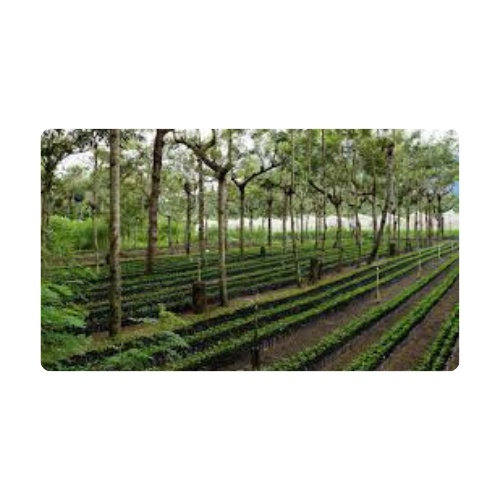
Farming is dominated by smallholder producers, many organized in regional cooperatives that preserve traditional cultivation methods while also introducing rust-resistant hybrids to combat coffee leaf rust disease. Agroforestry and mixed cropping are common, helping maintain ecological balance and diversify farmer income.
In recent years, Guatemala’s coffee production has remained stable, with gradual increases due to replanting and renovation efforts. As young trees mature, full production is expected within the next two years. The USDA estimates the 2024/25 crop at 3.53 million bags, mostly washed Arabica, with exports projected at around 3 million bags for the 2025 crop year. The United States remains the leading buyer, accounting for nearly 44% of exports, followed by Japan, Canada, Belgium, and Italy. Carryover stocks are modest, meaning most harvests move directly to export markets.
Guatemalan coffee continues to be prized globally for its consistency, complexity, and high quality, balancing tradition with innovation. Farmers are adopting rust-tolerant varieties and sustainable practices while maintaining the unique regional Flavors that define Guatemalan coffee. The combination of high-altitude growing conditions, volcanic soils, and meticulous farming practices has solidified Guatemala’s reputation as a top specialty coffee origin, meeting global demand for premium Arabica beans.
Fun fact: Guatemala is one of the few countries where coffee is grown almost entirely in volcanic regions, with terraced farms sculpted into mountainsides, and Antigua remains especially renowned for its smoky, chocolatey coffee profiles.