South America is the largest coffee-producing continent, renowned for both volume and quality, and home to some of the world’s most iconic coffee origins. The region’s diverse climates, fertile volcanic soils, and varying altitudes allow for the cultivation of both Arabica and Robusta varieties, producing coffees that range from mass-market commercial beans to premium specialty offerings. Key producing countries include Brazil, Colombia, Peru, Ecuador, Bolivia, and Venezuela, each contributing unique terroirs and distinctive cup profiles.
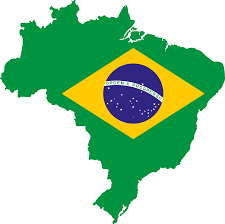
Brazil is the world’s largest coffee producer, supplying roughly one-third of global output. Coffee is grown across multiple regions, primarily in Minas Gerais, São Paulo, Espírito Santo, Bahia, and Paraná, at elevations ranging from 500 to 1,500 meters. Brazil produces both Arabica and Robusta, though Arabica dominates in highland areas. Brazilian coffees are known for their medium body, low acidity, and chocolate, nutty, or caramel notes, making them highly versatile for espresso blends and commercial markets. Specialty estates in regions such as Sul de Minas, Cerrado, and Mogiana focus on high-quality Arabica, often using washed, pulped natural, or natural processing to enhance flavor complexity.
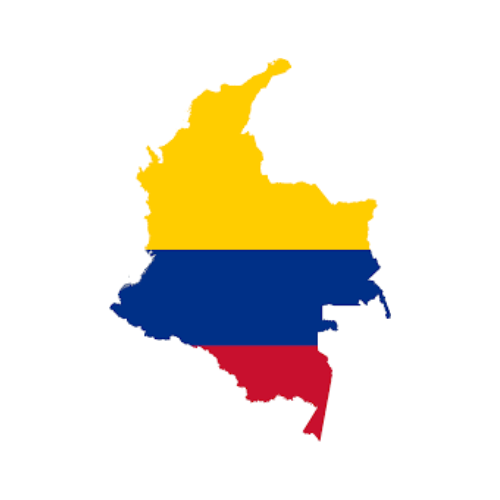
Colombia is celebrated globally for its premium Arabica coffee, grown primarily at 1,200–1,800 meters in the Andes Mountains. Key producing regions include Antioquia, Huila, Tolima, Nariño, Cauca, and Sierra Nevada. Colombian coffees are mostly washed Arabica, producing clean, bright, and balanced cups with pronounced acidity, medium body, and flavor notes of citrus, red fruit, chocolate, and caramel. Smallholder farmers dominate Colombian coffee cultivation, often organized into cooperatives that support quality control, training, and international exports. Colombia is particularly renowned for its “Excelso” and “Supremo” grades, representing high-quality, uniform beans.
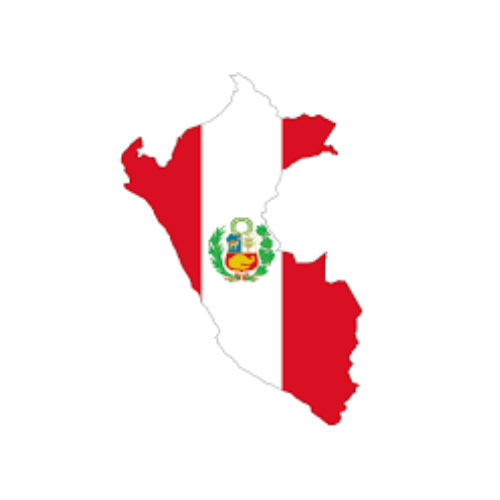
Peru produces mostly Arabica coffee, grown at 1,000–2,000 meters, particularly in regions such as San Martín, Cajamarca, Cusco, and Junín. Peruvian coffees are often organic or shade-grown, reflecting a strong emphasis on sustainability. The flavor profile typically includes bright acidity, medium body, and floral, fruity, or nutty notes, making Peruvian coffees popular in specialty markets. Smallholder cooperatives are instrumental in improving quality, traceability, and market access, supporting both economic and environmental sustainability.
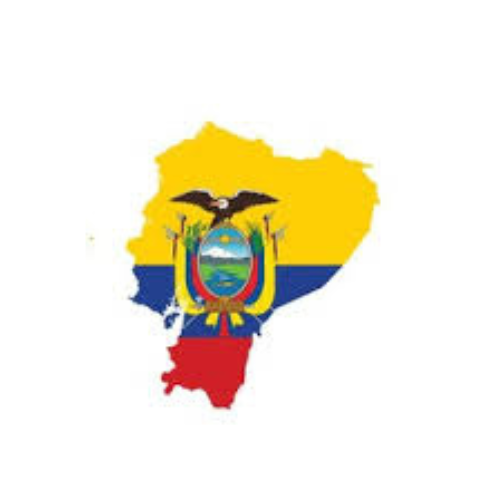
Ecuador produces Arabica coffee primarily in the Sierra region, at 1,000–2,000 meters, and smaller quantities of Robusta along coastal areas. Ecuadorian coffees are known for balanced acidity, medium body, and notes of chocolate, caramel, and mild fruitiness. Specialty producers are increasingly adopting sustainable, organic, and traceable practices, enhancing the international reputation of Ecuadorian coffee.
Bolivia grows Arabica coffee at 1,200–1,800 meters in regions such as Cochabamba, La Paz, Santa Cruz, and Tarija. Bolivian coffees are often washed and shade-grown, offering medium body, bright acidity, and floral or citrus notes, appealing to niche and specialty markets. Production is primarily smallholder-driven, with cooperatives supporting quality and exports.
Venezuela, once a significant coffee exporter, produces mostly Arabica in mountainous regions like Táchira, Mérida, and Trujillo, at 1,000–1,800 meters. Venezuelan coffees are known for their medium body, mild acidity, and chocolatey, nutty, or fruity notes. While production has declined due to economic and political challenges, efforts are underway to revitalize the sector through quality-focused programs and international partnerships.
Across South America, coffee cultivation is largely conducted by small and medium-sized farms, often employing shade-grown, sustainable, and organic practices. Processing methods vary, with washed Arabica dominating in higher elevations, and natural or pulped natural methods used in drier regions like Brazil’s Cerrado. South American coffees are valued globally for their consistency, versatility, and distinctive regional flavors, making the continent a cornerstone of both commercial and specialty coffee markets.
Sustainability, traceability, and quality are increasingly emphasized, with many countries implementing cooperative-based initiatives, technical training, and certification programs to improve yields, maintain soil health, and meet growing demand in international specialty markets.
Overall, South America combines high-volume production with exceptional quality, offering a wide spectrum of flavors—from Brazil’s chocolatey, nutty profiles to Colombia’s bright, fruity Arabicas, Peru’s floral notes, and Panama’s specialty Geisha (often cultivated in collaboration with South American farms). This diversity, paired with decades of farming expertise, ensures that South America remains the backbone of the global coffee industry, supplying both mass-market and high-end specialty markets worldwide.