Loading

All sector
Buyer
Supplier
Morobe province

All Categories
-
Coffee Farming & Origins
- Africa
- Asia
- Oceania
- America
- Coffee Brands & Products
- Machinery & Equipment
- Accessories & Supplies
Morobe province
Nestled between the Solomon Sea and PNG's central cordillera, Morobe Province is a region of dramatic contrasts and rich coffee tradition. Its beans are cultivated across a stunning range of altitudes
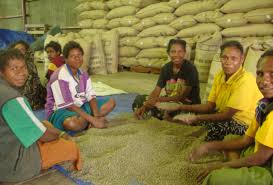
Morobe province
Morobe Province Coffee: Papua New Guinea's Coastal Highland Secret
On the rugged northern coast of Papua New Guinea, where the mighty Finisterre and Saruwaged mountain ranges plunge into the Solomon Sea, lies a coffee region of surprising duality and untapped potential. Morobe Province—home to the nation's second-largest city, Lae—produces a coffee that embodies the meeting of highland tradition and coastal influence, crafting a cup profile as complex and intriguing as the landscape itself.
Unlike the more famous highland provinces, Morobe’s coffee story is one of varied altitudes, remote valleys, and a distinct pathway to market, creating a character that is both familiar and uniquely its own.
A Tapestry of Terrains and Growers
Morobe’s coffee is grown across a dramatic range of elevations, from the lower foothills (around 800 meters) to the cloud-forested highlands (exceeding 1,800 meters). This creates a wide spectrum of flavor profiles within a single province. The heart of production lies in the Wau-Watut and Bulolo valleys, areas with a rich history of gold mining and agriculture.
The industry is a blend of:
Smallholder Gardeners: The majority are local farmers, cultivating small, shaded plots in remote villages accessible only by foot or light aircraft.
Larger Coffee Estates: Some historic, well-established plantations contribute to production, often bringing more structured farming and processing techniques.
Cooperative Networks: Organizations like the Highlands Organic Agriculture Cooperative (HOAC) are vital in organizing remote farmers, providing processing, and ensuring quality control for export.
This mix results in a fascinating diversity of coffee, from the heavier, earthier cups of the lower slopes to the bright, complex lots from the highest peaks.
The Flavor Profile: Earthy Depth and Coastal Brightness
Morobe coffee is often described as having a "coastal highland" character—a bridge between the earthy body of lowland coffees and the vibrant acidity of the interior. Its cup profile is notably structured and balanced.
A typical Morobe coffee offers:
Body & Mouthfeel: Medium to full body, often with a weighty, rounded, and sometimes syrupy texture.
Flavor Notes: A foundational earthy, woody sweetness reminiscent of fresh cedar, dark cocoa, or molasses. This is frequently lifted by bright, citrus-driven acidity (lime, grapefruit) and hints of stone fruit.
Distinctive Character: Many lots possess a unique herbal or spicy complexity—think lemongrass, black tea, or a subtle peppery note—that sets it apart from other PNG regions. The finish is often clean and lingering.
Processing: Predominantly washed (wet-processed), which emphasizes its clean acidity, though some natural and honey-processed lots are emerging, adding layers of fruity intensity.
The Logistical Frontier: Challenge as Identity
Morobe’s defining feature is also its greatest challenge: extreme remoteness. Many of its best coffees are grown in valleys with no road access. Cherry and parchment are often transported by small aircraft, river barges, or carried on multi-day treks to central mills in Bulolo or Lae. This "airfreight coffee" status adds cost and complexity but also ensures that only the most dedicated producers, with quality worth transporting, participate in the specialty market.
The presence of Lae, PNG's industrial and shipping hub, is a double-edged sword. It provides crucial export infrastructure but also places coffee in competition with other commodities and economic activities.
" style="height: 100px" onchange="formValidation()" required>
Morobe Province Coffee: Papua New Guinea's Coastal Highland Secret
On the rugged northern coast of Papua New Guinea, where the mighty Finisterre and Saruwaged mountain ranges plunge into the Solomon Sea, lies a coffee region of surprising duality and untapped potential. Morobe Province—home to the nation's second-largest city, Lae—produces a coffee that embodies the meeting of highland tradition and coastal influence, crafting a cup profile as complex and intriguing as the landscape itself.
Unlike the more famous highland provinces, Morobe’s coffee story is one of varied altitudes, remote valleys, and a distinct pathway to market, creating a character that is both familiar and uniquely its own.
A Tapestry of Terrains and Growers
Morobe’s coffee is grown across a dramatic range of elevations, from the lower foothills (around 800 meters) to the cloud-forested highlands (exceeding 1,800 meters). This creates a wide spectrum of flavor profiles within a single province. The heart of production lies in the Wau-Watut and Bulolo valleys, areas with a rich history of gold mining and agriculture.
The industry is a blend of:
Smallholder Gardeners: The majority are local farmers, cultivating small, shaded plots in remote villages accessible only by foot or light aircraft.
Larger Coffee Estates: Some historic, well-established plantations contribute to production, often bringing more structured farming and processing techniques.
Cooperative Networks: Organizations like the Highlands Organic Agriculture Cooperative (HOAC) are vital in organizing remote farmers, providing processing, and ensuring quality control for export.
This mix results in a fascinating diversity of coffee, from the heavier, earthier cups of the lower slopes to the bright, complex lots from the highest peaks.
The Flavor Profile: Earthy Depth and Coastal Brightness
Morobe coffee is often described as having a "coastal highland" character—a bridge between the earthy body of lowland coffees and the vibrant acidity of the interior. Its cup profile is notably structured and balanced.
A typical Morobe coffee offers:
Body & Mouthfeel: Medium to full body, often with a weighty, rounded, and sometimes syrupy texture.
Flavor Notes: A foundational earthy, woody sweetness reminiscent of fresh cedar, dark cocoa, or molasses. This is frequently lifted by bright, citrus-driven acidity (lime, grapefruit) and hints of stone fruit.
Distinctive Character: Many lots possess a unique herbal or spicy complexity—think lemongrass, black tea, or a subtle peppery note—that sets it apart from other PNG regions. The finish is often clean and lingering.
Processing: Predominantly washed (wet-processed), which emphasizes its clean acidity, though some natural and honey-processed lots are emerging, adding layers of fruity intensity.
The Logistical Frontier: Challenge as Identity
Morobe’s defining feature is also its greatest challenge: extreme remoteness. Many of its best coffees are grown in valleys with no road access. Cherry and parchment are often transported by small aircraft, river barges, or carried on multi-day treks to central mills in Bulolo or Lae. This "airfreight coffee" status adds cost and complexity but also ensures that only the most dedicated producers, with quality worth transporting, participate in the specialty market.
The presence of Lae, PNG's industrial and shipping hub, is a double-edged sword. It provides crucial export infrastructure but also places coffee in competition with other commodities and economic activities.
0 Products found
Loading
You have 4 new notification
Category
-
Coffee Farming & Origins
- Africa
- Asia
- Oceania
- America
- Coffee Brands & Products
- Machinery & Equipment
- Accessories & Supplies
Notification