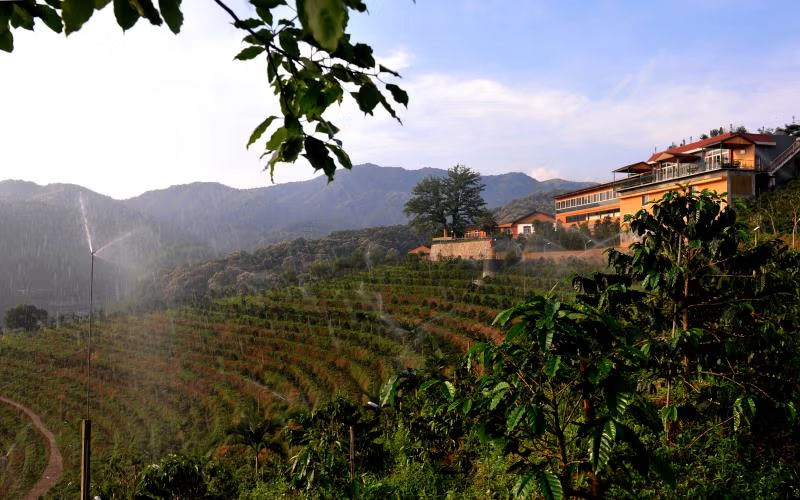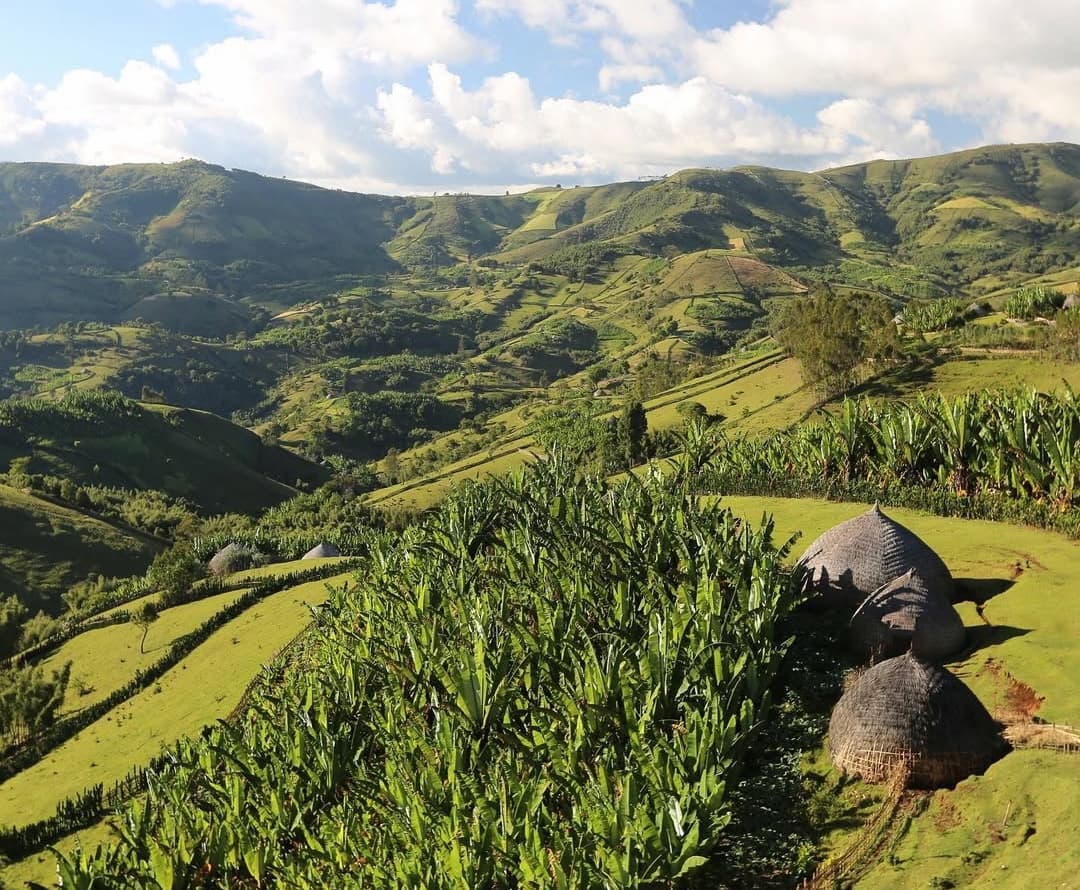
China’s coffee production is concentrated primarily in Yunnan Province, with smaller plantations in Sichuan and Hainan. The highland areas of Yunnan, at elevations of 1,000–1,800 meters, provide ideal conditions for Arabica coffee, predominantly the Catimor variety, grown under subtropical highland climates characterized by mild temperatures, well-distributed rainfall, and misty mornings. Coffee farming is largely conducted by smallholder farmers, often in agro forestry or mixed-crop systems, though some larger estates also exist.
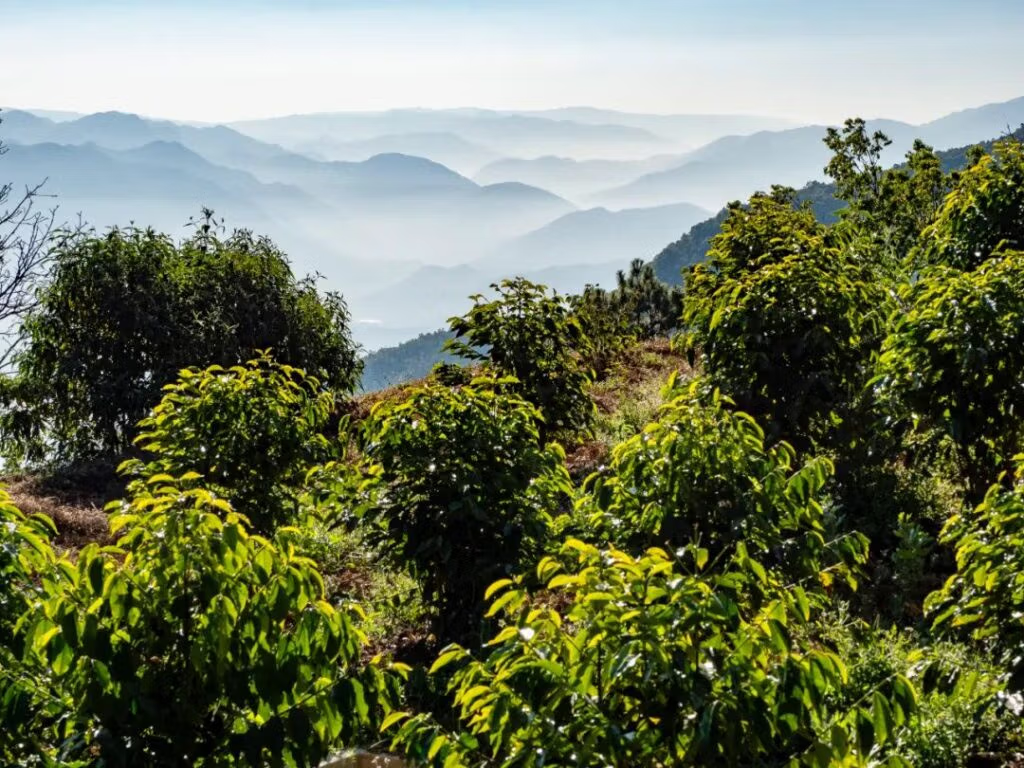
In southern regions like Hainan, Robusta is grown in lower-elevation, hot, humid tropical conditions. China’s coffee sector is rapidly expanding, driven by rising domestic demand, specialty coffee interest, and export opportunities. Emphasis is placed on traceability, sustainable farming practices, and quality improvements, with farmers adopting washed and natural processing methods, selective handpicking, and cooperative-based quality initiatives. The industry continues to grow, with Yunnan Arabica increasingly recognized in specialty markets for its bright, sweet, and floral cup profiles, while Hainan Robusta serves primarily for commercial blends and local consumption.