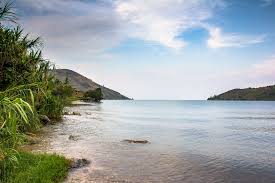
The area surrounding Lake Kossou, an artificial lake created in the 1970s along the Bandama River, has become an important Robusta coffee–producing zone in central Côte d’Ivoire. The region is characterized by fertile, alluvial soils and a savanna-like climate that offers warm temperatures and seasonal rainfall—conditions well-suited for Robusta cultivation. Unlike the high-altitude Man Mountains to the west, which specialize in Arabica, the Lake Kossou region contributes strongly to the country’s reputation as a major Robusta producer.
Coffee grown around Lake Kossou is predominantly sun-dried, a traditional method that enhances the bean’s natural intensity. As a result, Robusta from this area is known for its strong aroma, firm body, and distinctive woody or earthy aftertaste. These qualities make it desirable for use in espresso blends and instant coffee manufacturing, where boldness and crema production are valued.
The expansion of coffee farming in the Lake Kossou region was supported by the lake’s creation, which improved local irrigation potential, opened new agricultural lands, and strengthened rural development through fishing, farming, and transportation. Most coffee is grown by smallholder farmers who often intercrop Robusta with food crops such as maize, cassava, or yam—an approach that promotes food security while maintaining coffee as a cash crop.
While the region does not receive the same specialty-market attention as highland Arabica zones like Man, its Robusta plays a critical role in Côte d’Ivoire’s national output, contributing to the country’s long-standing position as one of Africa’s most important Robusta producers. With ongoing initiatives to improve quality control, farm management, and post-harvest processing, the Lake Kossou area continues to strengthen its place in the country’s coffee sector.