Cameroon, located in Central Africa, is a diverse coffee-producing country with both Arabica and Robusta cultivation, reflecting its varied climate and topography. Coffee production is concentrated in the western and southwestern highlands, particularly in regions such as West, Northwest, and Southwest Cameroon, where elevations range from 800 to 1,600 meters, providing ideal conditions for high-quality coffee growth.
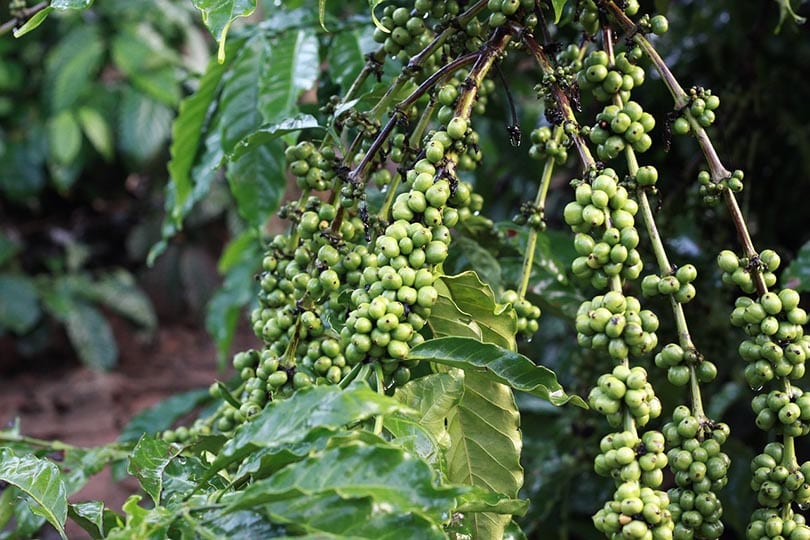
Robusta coffee dominates lowland areas with hot, humid climates, producing full-bodied, earthy, and chocolatey beans often used in blends and commercial coffee markets. In contrast, Arabica coffee thrives in cooler highland zones, yielding mild, aromatic beans with bright acidity, floral undertones, and hints of fruit, comparable to other African Arabicas in taste complexity.
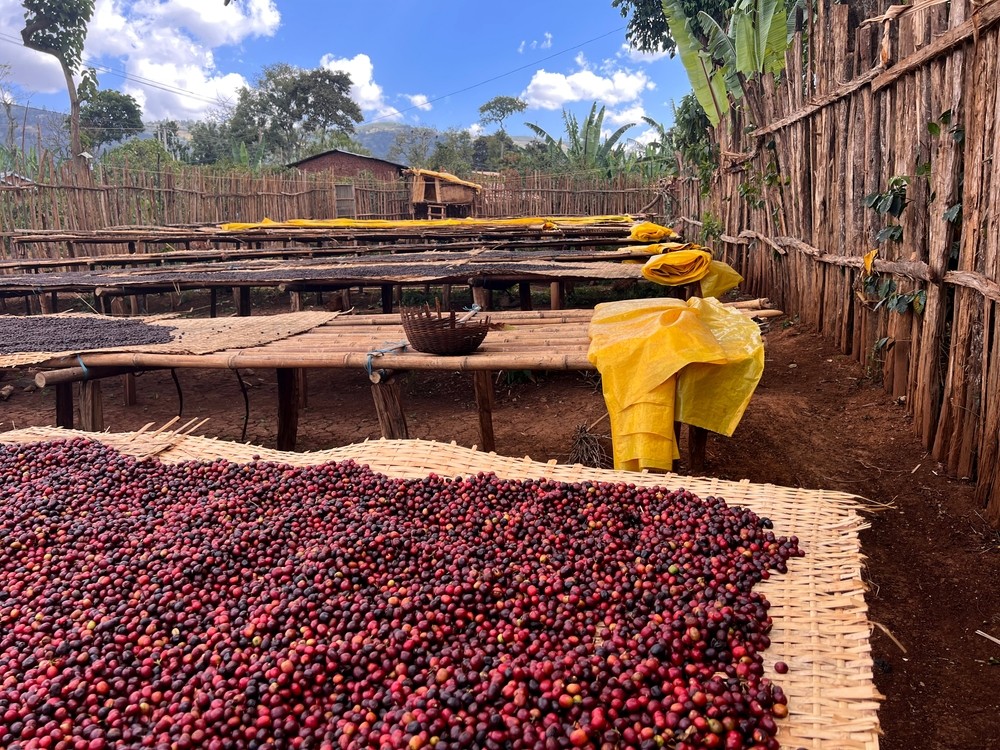
Coffee farming in Cameroon is predominantly smallholder-based, with families managing plots that integrate coffee trees alongside food crops. These farms rely on manual harvesting and traditional processing methods, although washing stations and cooperative societies are increasingly being developed to improve quality and access to export markets.
The country’s coffee is mainly exported to Europe, North America, and regional African markets. Despite its potential, Cameroon faces challenges such as aging coffee trees, limited access to modern agricultural inputs, and fluctuating market prices, which affect productivity. Nevertheless, with targeted investment, infrastructure development, and the promotion of specialty coffee, Cameroon has the potential to enhance both yield and international recognition.
Cameroon’s coffees, particularly Arabicas from highland areas, are gaining attention for their balance, clean cup profiles, and unique African character, making them increasingly attractive to specialty roasters worldwide.