
it grown in the volcanic highlands of Nariño near the Ecuadorian border. It’s known for its smooth body, nutty flavor, and bright acidity.
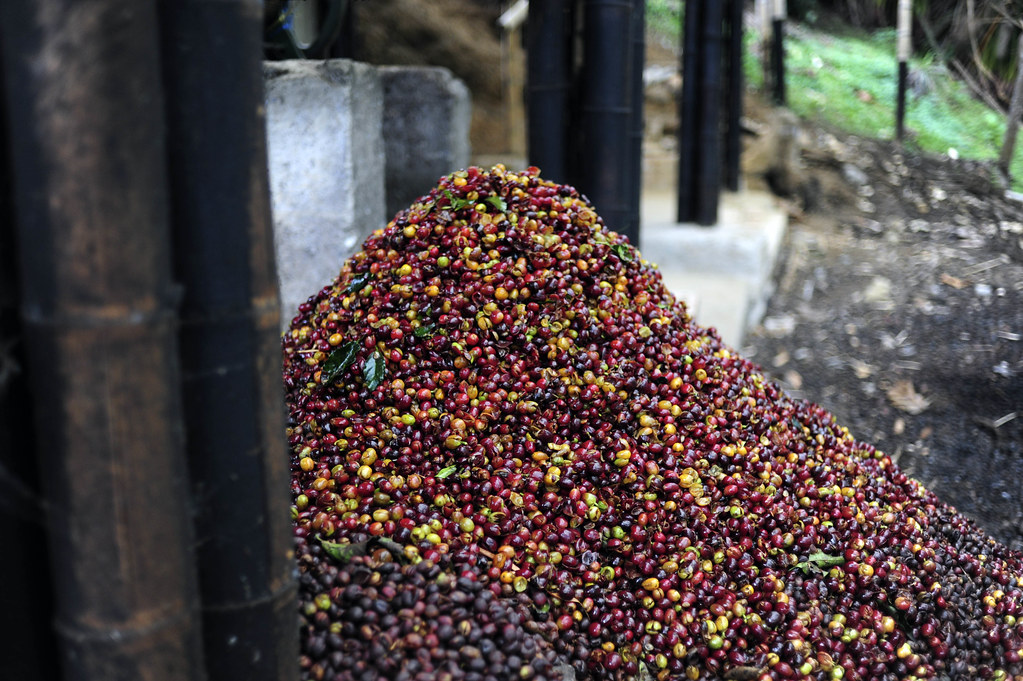
Narino
Origins & Terroir
Location: Nariño is in southwestern Colombia, bordering Ecuador.
Altitude: Coffee is cultivated at 1,500–2,100 meters (5,000–7,000 feet) above sea level, some of the highest elevations for coffee in Colombia.
Soil: The region’s active volcanoes, especially Galeras, enrich the soil with minerals, creating fertile ground for coffee cultivation.
Climate: The dramatic geography—hot Pacific plains and cold Andean highlands—produces unique microclimates that slow bean maturation, enhancing flavor complexity.
Flavor Profile
Body: Smooth and balanced.
Acidity: Bright, often citrus-like, thanks to the high altitude.
Notes: Nutty, sometimes with hints of caramel, chocolate, or floral tones depending on roast and processing.
Cup Quality: Recognized globally for its clean, crisp taste and layered complexity.
History & Tradition
Coffee cultivation in Nariño dates back centuries, with indigenous communities first taking advantage of the volcanic soil and altitude.
Over time, Nariño beans gained international recognition, often featured in specialty coffee competitions and prized by roasters worldwide.
Why It’s Special
Attribute
Narino Coffee Highlights
Altitude
1,500–2,100 m (very high)
Soil
Volcanic, mineral-rich
Flavour
Smooth, nutty, bright acidity
Recognition
Among Colombia’s finest coffees
Climate Impact
Slow maturation → complex flavors
Global Appeal
Narino coffee is often marketed as premium single-origin beans. Specialty roasters highlight its terroir-driven qualities, making it a favorite for pour-over, espresso, and cupping competitions. Its reputation rivals' other Colombian regions like Huila and Antioquia, but Narino stands out for its extreme altitude and volcanic soil.