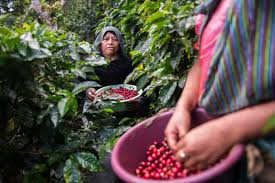
Santa Isabel, a long, narrow island in the northern Solomon Islands, is characterized by rugged mountains, dense tropical forests, and narrow coastal plains. Coffee cultivation on Santa Isabel is small-scale and primarily concentrated in the upland interior, where elevations range from 300 to 900 meters above sea level. These higher areas offer cooler temperatures, fertile volcanic soils, and consistent rainfall, which are suitable for growing Arabica coffee, predominantly Typica and Bourbon varieties.
Farming on Santa Isabel is almost entirely smallholder-based, with families maintaining small plots intercropped with subsistence crops such as taro, cassava, banana, and yams. Shade trees are commonly retained to protect coffee plants, and labor is manual, including pruning, weeding, selective cherry picking, and small-scale processing.
Processing methods on the island are simple and localized. Villagers typically use fully washed or semi-washed techniques, depending on water availability. Cherries are depulped by hand or with small pulping devices, fermented in buckets or basins, and sun-dried on mats or raised platforms. In more remote communities, cherries may be sun-dried naturally without pulping.
Santa Isabel coffee is generally characterized by mild acidity, light-to-medium body, and soft flavor notes, with occasional hints of cocoa, nuts, or gentle fruit undertones. Production volumes are low and fragmented due to the island’s rugged terrain and dispersed communities, making transportation and marketing challenging. Despite these limitations, coffee remains an important source of supplemental income for upland households, and small-scale initiatives have sought to improve post-harvest practices, promote cooperative organization, and connect farmers to broader markets. The island’s highland microclimates offer potential for producing distinctive small-lot Arabica coffees, particularly where better processing practices can be implemented.