
Choiseul, one of the western islands of the Solomon Islands, is a long, narrow, and mountainous island covered in dense tropical forests. Coffee cultivation on Choiseul is very limited and largely smallholder-based, primarily occurring in the island’s upland interior and foothills, where elevations reach approximately 300–700 meters above sea level. The cooler temperatures in these areas, combined with well-drained volcanic soils, provide a suitable environment for Arabica coffee, typically Typica and Bourbon varieties.
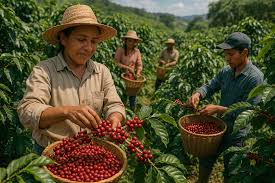
Farms on Choiseul are small family plots, often intercropped with subsistence crops such as taro, cassava, banana, and yam. Shade trees are maintained to protect coffee plants, and management is largely manual, including pruning, weeding, selective harvesting, and small-scale processing.
Processing methods are simple and community-driven. Villagers typically use fully washed or semi-washed techniques, fermenting pulped cherries in small containers and drying them on mats, tarpaulins, or raised platforms. In areas with limited water access, cherries may be dried naturally without pulping.
Coffee from Choiseul generally exhibits mild acidity, light body, and soft, earthy flavor notes, sometimes with hints of cocoa or nuts. Production volumes are small, and the island’s rugged terrain and limited road infrastructure make transportation and access to markets difficult. Despite these constraints, coffee remains an important source of supplementary income for upland households. With improved processing facilities, cooperative support, and technical assistance, Choiseul has potential for producing small-lot Arabica coffees for niche markets, though its contribution to the national coffee supply remains minor.