
The Central Valley is the historic heart of Costa Rican coffee, known for its balanced, smooth, and fruity flavor profile. It combines fertile volcanic soil, high altitudes, and diverse microclimates, making it one of the country’s most renowned coffee regions.
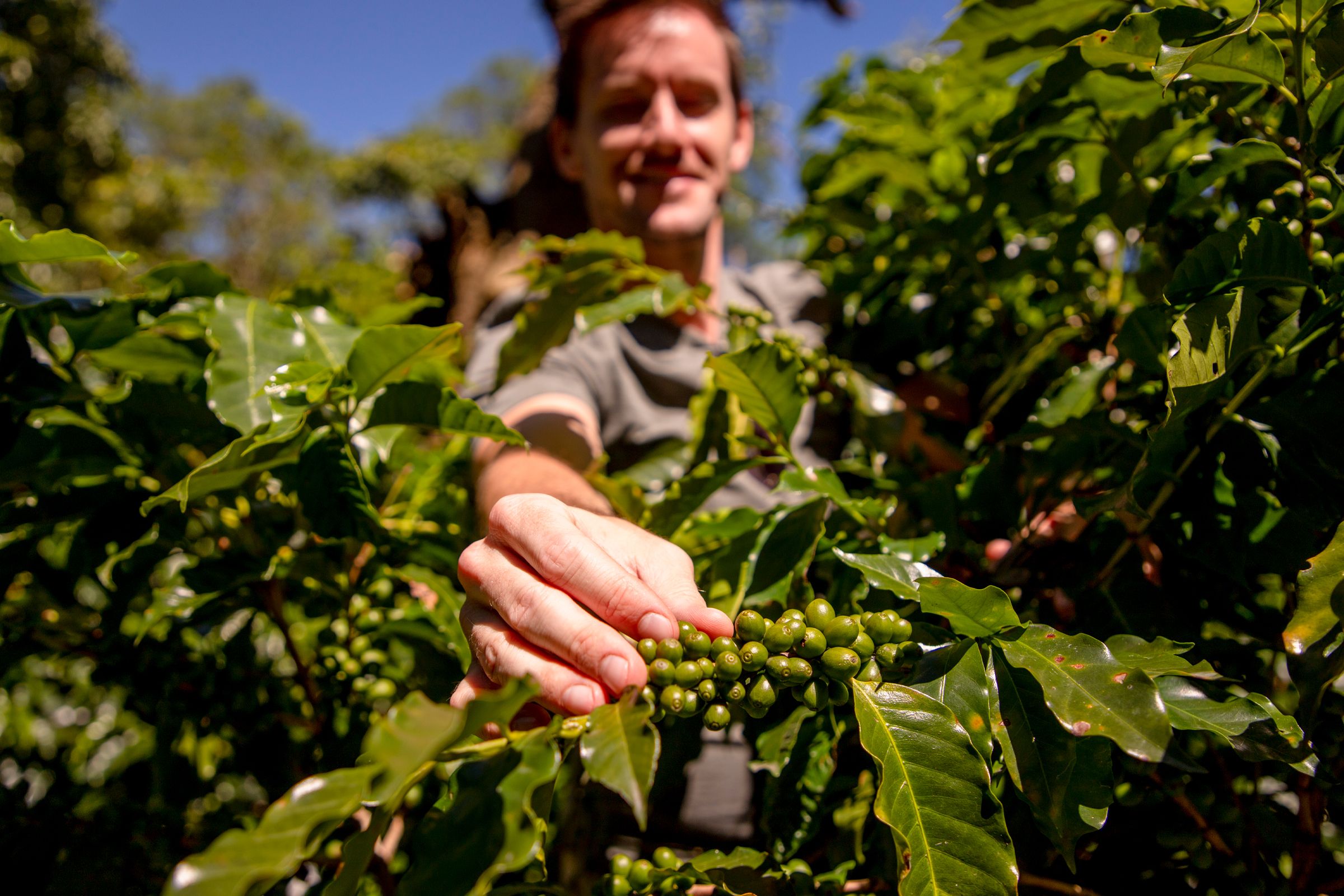
Central Valley
Central Valley Coffee Region Overview
Feature
Details
Location
Surrounds San José, including Alajuela, Heredia, and Cartago provinces
Altitude
1,000–1,600 meters above sea level
Climate
Mild temperatures, misty mornings, distinct wet and dry seasons
Soil
Rich volcanic soil, ideal for Arabica cultivation
Varieties
Caturra, Catuai, Gesha, among others
Flavor Profile
Medium body, bright acidity, fruity and nutty notes
Reputation
One of Costa Rica’s oldest and most traditional coffee-growing areas
Flavor Characteristics
Alajuela: Balanced, clean cup with subtle sweetness
Heredia: Fruity, aromatic, sometimes floral
San José: Smooth, mild, with nutty undertones
Overall, Central Valley coffees are prized for their harmonious balance of acidity, body, and sweetness, making them versatile for different brewing methods.
Cultural Significance
Coffee cultivation in the Central Valley dates back to the early 19th century, when Costa Rica first became a major exporter.
Many of the country’s oldest coffee farms are located here, often family-run for generations.
The region is sometimes called the “cradle of Costa Rican coffee culture”, as it was the first area to establish large-scale production.
Why It Stands Out
Accessibility: Close to San José, making it easy for visitors to tour farms and learn about coffee traditions.
Consistency: Produces reliable, high-quality beans year after year.
Diversity: Microclimates across Alajuela, Heredia, and Cartago create subtle variations in flavour.
In short: Central Valley coffee is smooth, balanced, and deeply tied to Costa Rica’s history. If you’re exploring Costa Rican coffee, this region offers a classic, approachable taste that reflects the country’s heritage.