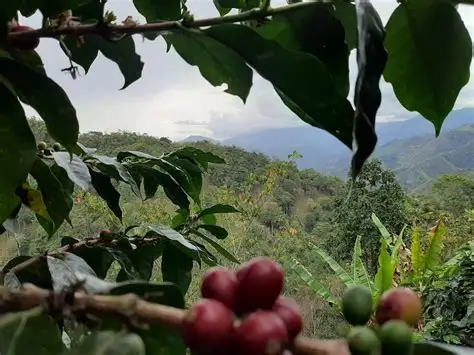
Overview of the West Valley
Location: Northwest of San José, including towns like San Ramón, Palmares, Naranjo, and Grecia
Altitude: 800–1,700 meters above sea level
Climate: Morning sunshine, afternoon rains, cool nights — ideal for coffee cultivation
Soil: Volcanic, nutrient-rich, supporting Arabica varieties like Caturra and Catuai
Production: Accounts for nearly 25% of Costa Rica’s total coffee output
Flavor Profile
West Valley coffees are known for their complexity and elegance:
Acidity: Bright and lively
Body: Medium to full
Notes: Fruity, floral, sometimes chocolatey
Cup of Excellence: The region consistently produces winners in Costa Rica’s prestigious coffee competitions
Cultural & Historical Significance
Immigrant farmers in the 1800s brought coffee seeds to the West Valley, establishing its reputation early.
The region’s cooperative culture has helped small farmers thrive, ensuring sustainable practices and high-quality production.
Annual harvests yield between 800,000 and 1,000,000 bushels of high-quality coffee, making it a cornerstone of Costa Rica’s coffee economy.
Why It Stands Out
Microclimates: The variety of altitudes and weather patterns create diverse flavor profiles.
Consistency: Reliable production of specialty-grade beans.
Prestige: High percentage of Cup of Excellence winners compared to other regions.
Accessibility: Close to San José, making it easy for visitors to tour farms and taste fresh brews.
Closing Thought
The West Valley is Costa Rica’s coffee jewel — a region where volcanic soil, sunshine, and rain collaborate to produce beans bursting with fruit, flowers, and complexity. It’s no wonder this valley consistently ranks among the best in the world.