Overview of Guanacaste Coffee Region
Location: Northwestern Costa Rica, spanning Guanacaste, Puntarenas, and Alajuela provinces
Altitude: 800–1,200 meters above sea level
Climate: Warm, sunny, with distinct dry and wet seasons — different from the misty highlands of Tarrazú or West Valley
Soil: Volcanic and mineral-rich, supporting Arabica cultivation
Production: About 1.7 million pounds annually, covering ~4,978 acres (≈2% of Costa Rica’s coffee area)
Flavor Profile
Body: Smooth and bold
Acidity: Low, making it approachable for everyday drinkers
Notes: Nutty, chocolatey, sometimes earthy
Cup Style: Well-balanced, ideal for those who prefer a rich but mellow brew
Cultural & Historical Significance
Guanacaste is traditionally famous for cattle ranches and beaches, but coffee has become an important agricultural product in recent decades.
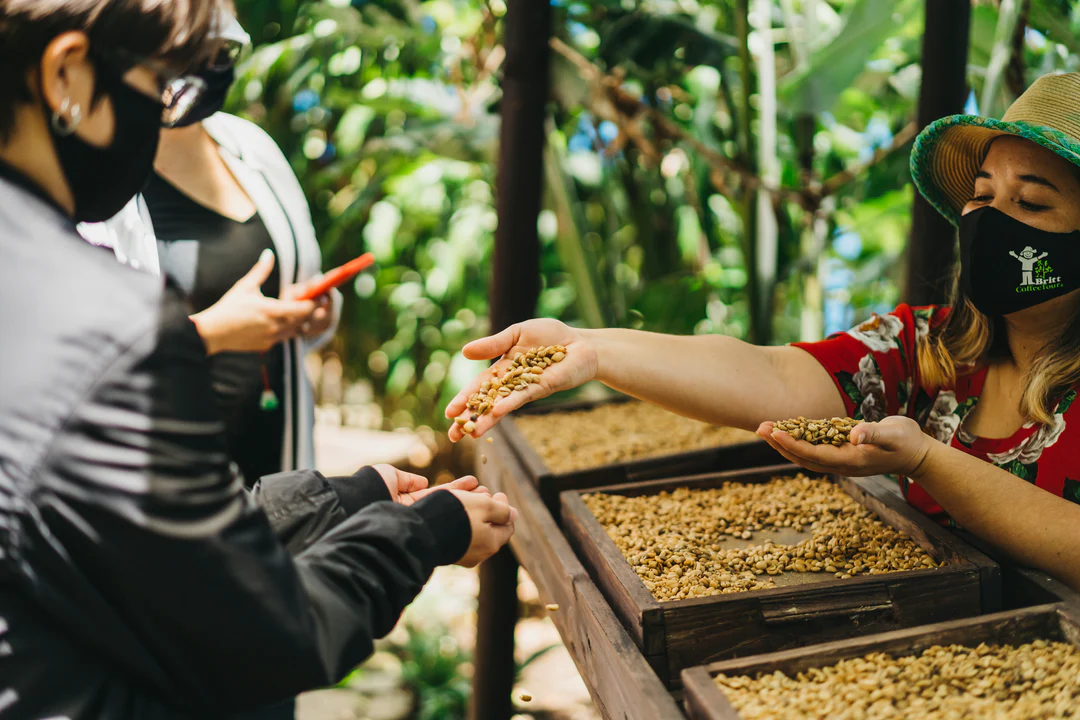
Coffee tours in towns like Hojancha and Nicoya showcase both the colonial heritage and modern sustainable farming practices.
Farms such as Finca La Amistad emphasize organic and sustainable cultivation, adding to the region’s reputation for eco-friendly coffee.
Why Guanacaste Stands Out
Distinct Climate: Unlike cooler highland regions, Guanacaste’s sunny weather produces beans with a smoother, less acidic profile.
Unique Flavor: Bold, nutty, and balanced — different from the bright citrus of Tarrazú or the floral notes of West Valley.
Tourism Connection: Coffee tours here often combine cultural experiences with eco-adventures (zip lines, hot springs, horseback riding).
Closing Thought
Guanacaste coffee may not be Costa Rica’s largest producer, but it offers a unique flavour identity: bold, smooth, and nutty, reflecting the sunny landscapes and volcanic soil of the region. For coffee lovers seeking a mellow yet rich cup, Guanacaste is a hidden gem worth exploring.