
Puna coffee is grown in the Puna District on the southeastern side of Hawaii’s Big Island. Though less widely known than Kona or Kaʻū, it has a distinctive earthy, spicy flavor shaped by its unique volcanic environment.
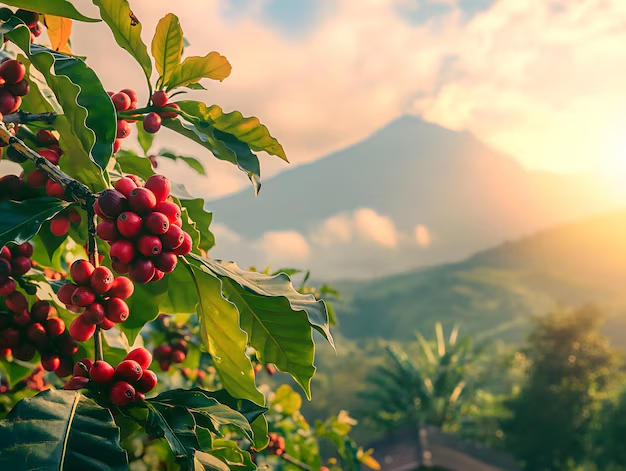
Puna
Growing Region
Location: Puna District, Big Island of Hawaii
Elevation: ~600–2,000 feet above sea level
Climate: Warm, humid, with frequent rainfall and volcanic activity nearby
Soil: Volcanic, fertile, but often shallow compared to Kona’s porous slopes
Flavor Profile
Notes: Earthy, spicy, sometimes smoky, with full-bodied richness
Body: Bold and heavier compared to Kona’s smooth balance
Acidity: Lower, giving it a deeper, more rustic taste
History
Coffee was introduced to Puna in the 1800s, but sugarcane dominated agriculture for much of the region’s history.
Small farms revived coffee cultivation in recent decades, focusing on specialty Arabica varieties.
Puna coffee remains a boutique origin, produced in limited quantities.
Why Puna Coffee Stands Out
Unique terroir: Humid, rainy climate and volcanic soil create a bold, earthy cup unlike other Hawaiian coffees.
Small-scale farms: Production is limited, making Puna coffee rare and sought after by enthusiasts.
Distinct identity: While Kona is smooth and Kaʻū is bright and chocolatey, Puna is spicy and full-bodied.