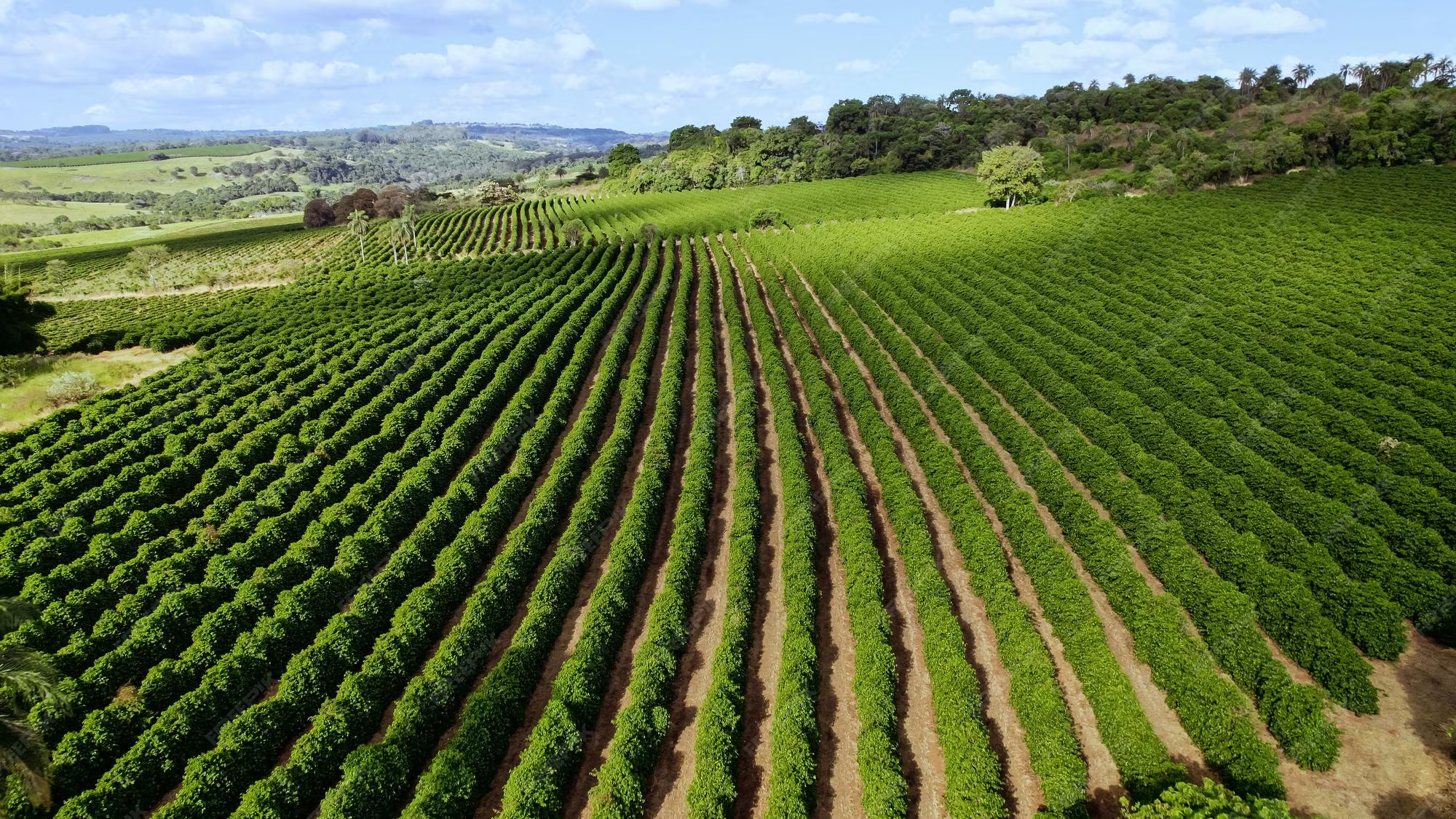
Location & Heritage
- Region: Kaʻū District, Big Island of Hawaii
- Geography: Rugged, rural area between Mauna Loa volcano and the Pacific Ocean
- History: Coffee cultivation began after the decline of sugar plantations in the late 20th century
- Community: Farming is deeply tied to the land (ʻāina) and local traditions, with paniolo (Hawaiian cowboys) and small family farms shaping the culture
Growing Conditions
- Elevation: 1,100–2,700 feet above sea level
- Climate: Sunny mornings, misty afternoons, cool nights
- Soil: Volcanic, mineral-rich, ideal for Arabica coffee
- These conditions produce beans with bright acidity, smooth body, and complex flavors.
Flavor Profile
- Notes: Chocolate, floral, tropical fruit, caramel
- Body: Smooth and balanced
- Acidity: Bright but not overpowering
- Awards: Kaʻū coffee has won international competitions, rivaling Kona in prestige
Key Kaʻū Coffee Areas
- Wood Valley – Known for rich volcanic soil and small family farms
- Pearl of Kaʻū – A brand highlighting award-winning beans from the district
- Kaʻū Coffee Mill – A central hub for processing, roasting, and promoting Kaʻū coffee
Why Kaʻū Coffee Stands Out
- Global Recognition: Despite being newer to the scene, Kaʻū coffee has won international awards.
- Sustainability: Many farms emphasize eco-friendly practices and community-driven agriculture.
- Authenticity: Strong ties to Hawaiian heritage and the land make Kaʻū coffee unique.
In short: Kaʻū coffee is Hawaii’s hidden gem—grown in volcanic soil, nurtured by a resilient community, and celebrated worldwide for its distinctive flavor and heritage