Asia is a vast and diverse coffee-producing continent, home to some of the world’s most distinctive coffee origins and a major contributor to global supply. Coffee cultivation across Asia spans mountainous highlands, volcanic plateaus, tropical lowlands, and ancient terraced landscapes, creating an array of growing environments that support both Arabica (Coffea arabica) and Robusta (Coffea canephora). The region produces coffees known for their earthy depth, spicy complexity, full body, and wide variations in aroma and taste, shaped by unique climates, traditional farming methods, and centuries of agricultural heritage.
Coffee first took root in Asia as early as the seventeenth century, spreading through Dutch, French, and British colonial networks. Indonesia became one of the earliest large-scale producers outside of Arabia and Africa, establishing Asia’s long-standing position in the coffee world. Today, the continent includes both long-established producers and rapidly emerging specialty origins, all contributing to Asia’s rich and evolving coffee identity.
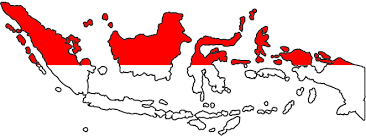
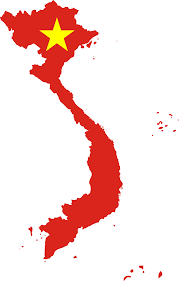
Indonesia remains one of the most important producers, cultivating both Arabica and Robusta across islands like Sumatra, Java, Bali, Sulawesi, and Flores. Its coffees are famous for their earthy, herbal, and spicy character, driven largely by the traditional wet-hulled process known as Giling Basah, which creates heavy body and low acidity. Vietnam, the second-largest coffee producer globally and the leading supplier of Robusta, is known for its vast plantations in the Central Highlands. While most production focuses on strong, chocolatey Robusta used in instant coffee and espresso blends, regions like Dalat produce increasingly sought-after Arabica with bright, fruity acidity.
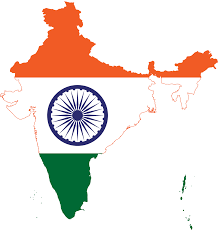
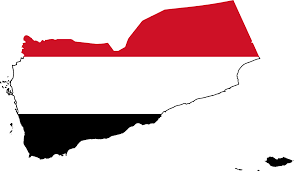
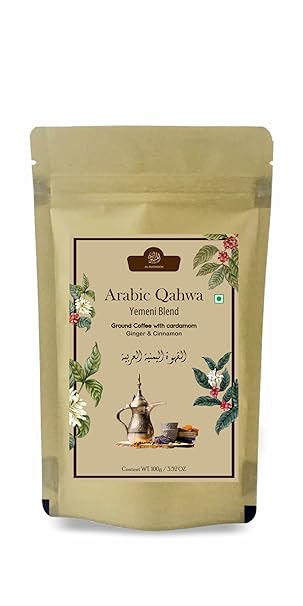
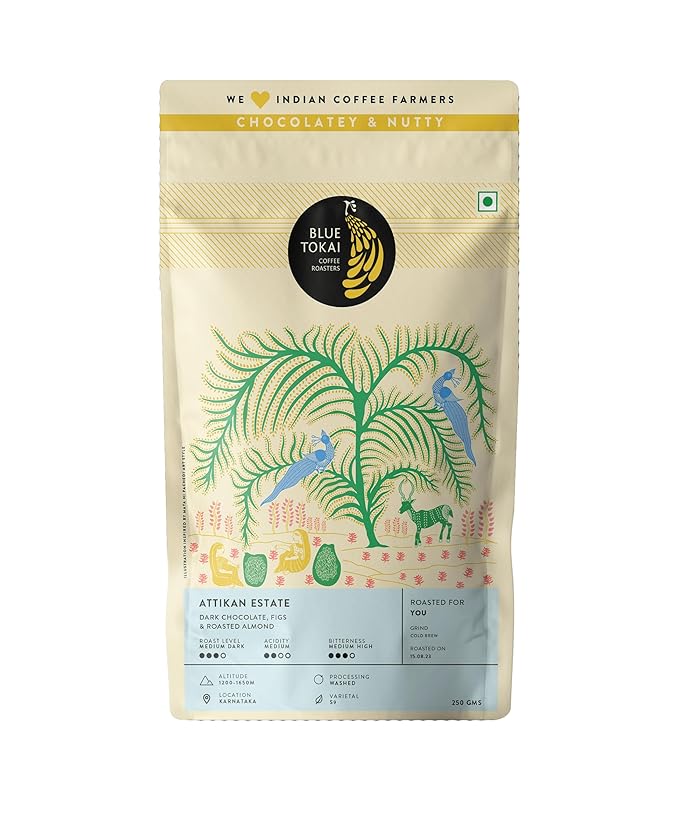
India also plays a significant role, cultivating coffee in the Western and Eastern Ghats, especially in Karnataka, Kerala, and Tamil Nadu. Indian coffees are typically grown under shade and intercropped with pepper, cardamom, and fruit trees, resulting in mild, spicy, chocolatey flavor profiles. Unique offerings like Monsooned Malabar, aged in monsoon winds, exhibit low acidity and a distinctive, mellow body. In the Arabian Peninsula, Yemen stands out as one of the historic origins of coffee cultivation. Its coffees, grown on ancient mountain terraces, are naturally processed and famous for their winey acidity, dried-fruit sweetness, and chocolate-spice complexity, often considered among the most treasured coffees in the world.
China has emerged as a rising producer, with the majority of its coffee cultivated in Yunnan Province. These coffees tend to be clean, floral, and balanced, gaining popularity among specialty roasters. Thailand and Myanmar have also become notable for their growing specialty sectors, producing sweet, fruity, and aromatic Arabica in the northern highlands while cultivating Robusta in the humid southern regions. Laos, particularly the Bolaven Plateau, produces both Arabica and Robusta known for mild acidity, herbal sweetness, and chocolate undertones. Even Papua New Guinea—often grouped with Asia in the coffee trade—contributes brightly acidic, fruit-forward coffees from its rugged highland communities.
Across Asia, most coffee is produced by smallholder farmers who cultivate modest plots, often relying on traditional shade-grown systems that protect biodiversity and support intercropping with bananas, spices, cacao, and timber. Altitude determines suitability for each species: Arabica grows best between 1,000 and 2,000 meters where temperatures are cooler, while Robusta thrives in the lower, warmer tropical zones. Harvesting methods vary, with selective hand-picking common in steep highland areas and mechanical harvesting more common in Vietnam’s large Robusta plantations.
Processing methods contribute significantly to Asia’s flavor diversity. Washed coffees from India, Myanmar, and China are clean and bright, while natural and sun-dried coffees from Yemen and Indonesia produce deeper fruit, spice, and earthy flavors. Indonesia’s wet-hulled method is especially distinctive, yielding heavy-bodied, rustic coffees unlike those from any other region.
Economically, coffee is a crucial export for many Asian countries. Vietnam, Indonesia, and India supply substantial portions of global demand, while Yemen, Thailand, Myanmar, and China increasingly focus on high-value specialty markets. Millions of rural households depend on coffee for their livelihoods, and growing interest in sustainability, traceability, and quality improvement continues to create new opportunities across the continent.
Together, Asia’s diverse landscapes, centuries-old traditions, innovative approaches, and expanding specialty sector make it one of the most dynamic and influential coffee regions in the world, producing beans with flavors and histories as varied as the cultures that cultivate them.