Africa is a continent of immense scale and diversity, stretching from the sun-baked coasts of the Mediterranean to the windswept plains of the Cape, and from the Atlantic shores to the warm waters of the Indian Ocean. Encompassing more than 30 million square kilometers and home to 54 distinct nations, Africa contains some of the world’s most varied landscapes—from towering volcanic highlands and fertile river valleys to dense tropical forests, rolling savannas, and vast deserts. The continent’s environmental mosaic sustains a wealth of biodiversity, housing countless endemic species and some of the planet’s most iconic wildlife, including elephants, lions, giraffes, and gorillas.
The population of Africa—now over 1.4 billion people—reflects an extraordinary cultural richness. More than 2,000 languages are spoken, shaped by thousands of years of human migration, trade, adaptation, and exchange. North Africa’s Arab–Berber heritage reveals deep connections to the Mediterranean and Middle East, while West Africa is marked by vibrant ethnic identities such as the Yoruba, Hausa, Wolof, and Mandé whose oral traditions, visual arts, and philosophies have shaped global culture. East Africa is a crossroads of Cushitic, Nilotic, and Bantu peoples, heavily influenced by Indian Ocean trade networks that carried ideas, religions, and goods across continents. Central and Southern Africa are home to diverse Bantu-speaking communities, indigenous groups such as the San, and societies shaped by complex colonial and postcolonial histories.
Historically, Africa stands as the birthplace of humankind. Some of the earliest fossil evidence of modern humans has been unearthed in Ethiopia, Kenya, and Tanzania, providing essential insights into human origins. Ancient civilizations—including Egypt, Nubia, Axum, and Carthage—developed sophisticated systems of writing, architecture, governance, trade, and scholarship. Medieval kingdoms and empires such as Mali, Songhai, Benin, and Great Zimbabwe flourished through commerce, metallurgy, astronomy, and agricultural innovation. The later centuries brought significant disruption through the transatlantic slave trade and European colonialism, reshaping borders and political structures across the continent. Independence movements in the 20th century restored sovereignty and laid the groundwork for modern African states with diverse economic and social trajectories.
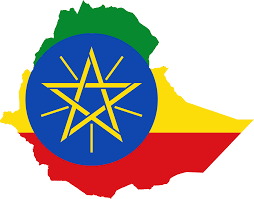
Today, Africa’s economy is multifaceted and rapidly evolving. The continent is endowed with vast natural resources—minerals, forests, fertile soils, and extensive energy reserves—alongside a growing technology and services sector. Agriculture remains a cornerstone of livelihood for millions, and coffee stands among its most significant export crops. Africa is the historic birthplace of Coffea arabica, and Ethiopia in particular is home to the world’s greatest reservoir of wild coffee genetics. Ethiopian coffees—with their floral aromatics, vivid acidity, and extraordinary flavor diversity—form the foundation of specialty coffee appreciation worldwide. From the jasmine-and-citrus profiles of Yirgacheffe to the fruit-driven character of Guji and the winey intensity of Harrar, Ethiopian coffees showcase the depth of Africa’s botanical heritage.
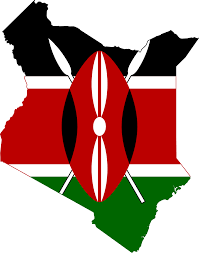
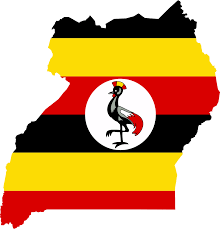
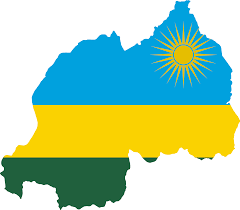
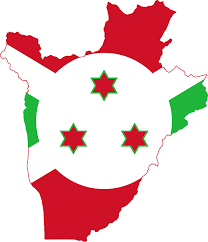
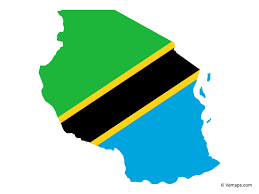
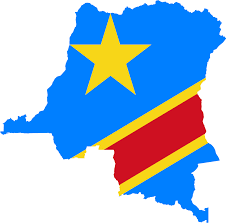
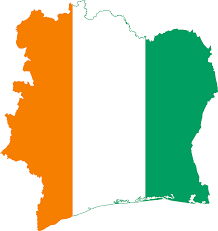
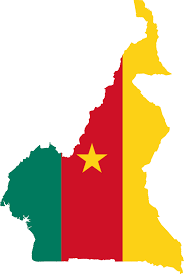
Beyond Ethiopia, East Africa produces some of the world’s most prized coffees. Kenya is renowned for its bright, berry-forward profiles and rigorous grading system, while Rwanda and Burundi have developed reputations for sweet, tea-like coffees grown on steep volcanic hillsides. Tanzania’s coffees, shaped by the fertile slopes of Kilimanjaro and the southern highlands, offer balanced, clean, and versatile profiles. In Central Africa, the Democratic Republic of the Congo is re-emerging as a specialty origin, producing rich, cocoa-toned coffees from Kivu’s high-altitude shores. Meanwhile, West and Central African nations such as Côte d’Ivoire, Cameroon, and Uganda serve as major players in the global Robusta market, with Uganda being one of the few African countries producing significant volumes of both Arabica and Robusta.
Africa’s coffee sector is overwhelmingly smallholder-based, with millions of farmers cultivating small plots using traditional, mostly organic agroforestry systems. These landscapes—often shaded by indigenous trees and intercropped with bananas, legumes, and fruit—support environmental health, soil fertility, and long-term sustainability. Despite challenges such as climate variability, limited infrastructure, and fluctuating global prices, Africa’s coffee industry is experiencing renewed growth through cooperative development, improved processing techniques, specialty market access, and investments in climate-resilient practices.
Throughout the continent, new opportunities are emerging expanding intra-African trade through the African Continental Free Trade Area (AfCFTA), rapid urbanization, technological innovation, and growing access to global markets. Together with its profound cultural heritage, human resilience, and ecological wealth, Africa’s agricultural strength—and its unique position as the birthplace of coffee—continues to shape its identity as one of the world’s most dynamic and influential regions.